
My Observatory:When The Quiet Competition Redefined Lagos’ Food Markets
By Sola Fanawopo
For decades, the “soup-ingredient” trade in Lagos, peppers, tomatoes, onions, and other perishables, was the exclusive domain of Yoruba market women. They were the gatekeepers of the kitchen, managing a supply chain that once hummed along the tracks of the Nigerian Railway Corporation.
In those days, women traveled to stations in Agege, Mushin, and Ebute Metta to buy in bulk from Northern wholesalers. The railway provided an efficient, low-cost artery for food. However, when the rail system collapsed in the early 1990s, the economic geography of Lagos shifted.
The Great Migration to Mile 12
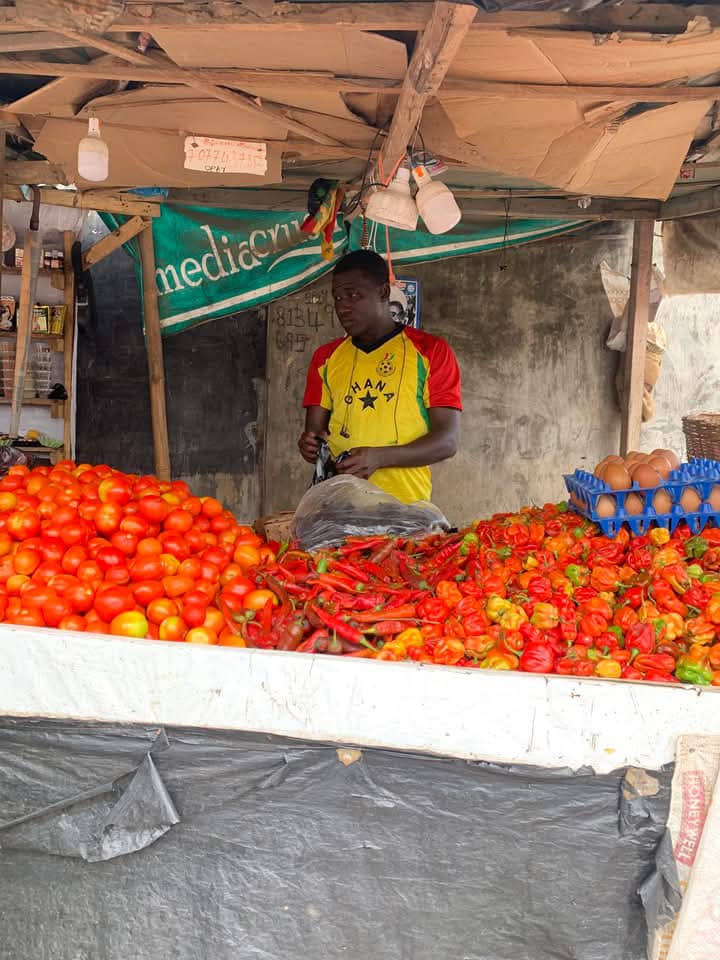
With the trains silent, trade migrated to the Mile 12 Market in Ketu. This hub became the new nerve center for wholesale produce, controlled largely by Hausa traders who moved goods via the more expensive and arduous road network.
Yoruba market women adapted, but the structure of the business had fundamentally changed. The seeds of a quiet revolution had been sown.
The Rise of the Roadside Retailer
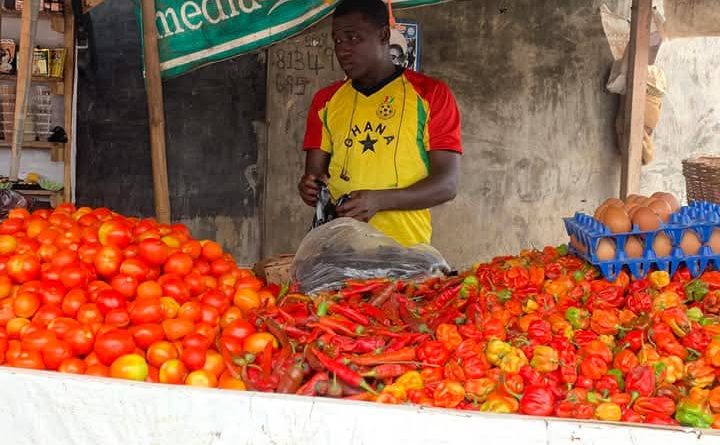
About fifteen years ago, a new phenomenon appeared on the streets of Lagos: young Hausa men selling fresh produce from small wooden tables along roadsides. At first, they seemed like minor players. But they possessed three competitive advantages that the traditional market stalls lacked:
Hyper-Proximity: They brought the market to the consumer’s doorstep, saving Lagosians the stress of a market trip.
Product Presentation: Their goods were often handled more neatly and sorted with precision.Price Leadership: They consistently undercut the prices found in traditional stalls.
Trust as Capital: The Secret of the Supply ChainWhat many observers missed was the invisible financial engine driving these young traders. They were part of a sophisticated, kinsman-led supply chain.Through informal credit arrangements, these retailers received goods on trust, paying only after the day’s sales. This “sell-now-pay-later” model gave them immense flexibility and resilience.
In contrast, most Yoruba market women remained trapped in a different financial reality.
They relied on personal savings or high-interest informal loans to restock. With higher operating costs and interest burdens, their prices remained high. The outcome was an economic inevitability.
A Silent Takeover
Without protests, violence, or headlines, a generational shift occurred. A business that Yoruba women had controlled for nearly a century slipped quietly from their grasp. Today, in many parts of Lagos, the roadside Hausa trader dominates the retail of fresh produce.It was, in the truest sense, a burial without mourning.
Will History Repeat in Osogbo?
A similar pattern is now emerging in Osogbo, the capital of Osun State. Small roadside stalls are appearing, backed by the same competitive pricing and tight supply networks.The question for the market women of Osun and other Southwestern towns is simple: Will they wake up to find their dominance has vanished? Or will they organize, modernize, and adapt their financing models before it is too late?
The Bottom Line
This shift is not about ethnicity; it is about economic strategy. Markets do not reward sentiment; they reward efficiency.Organization beats fragmentation.Trust-based credit beats high-interest debt.Direct supply chains beat redundant middlemen.
In Lagos, the lesson has already been taught. Whether the rest of the region learns from it remains to be seen.
Sola Fanawopo writes from Ìgbájo*