All Corruption Cases Need To Be brought Before The Code Of Conduct Tribunal- Justice Umar
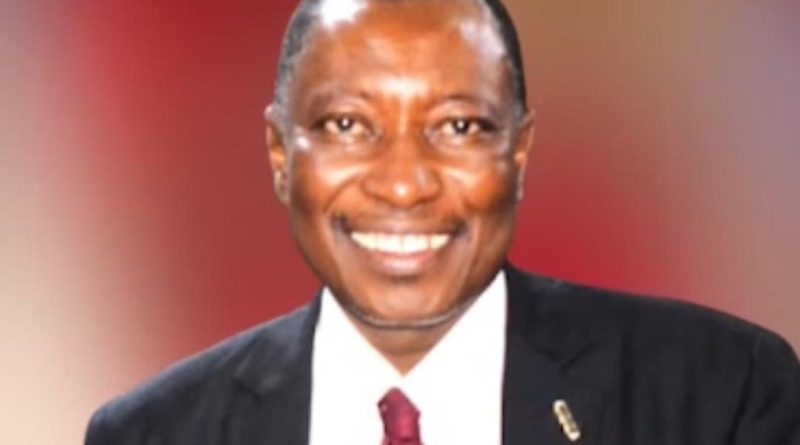
Honourable Justice Mainasara Ibrahim Kogo Umar, Chairman of the Code of Conduct Tribunal of Nigeria, embodies discipline, depth, and judicial conviction. A man of impeccable character and tested integrity, he is widely regarded as dependable in moments that demand courage and clarity. With decades of experience in legal practice, public service, and institutional leadership, he stands as one who has truly “been there and done that.” His record reflects landmark contributions—both individually and collectively—shaping conversations around accountability, constitutional responsibility, and anti-corruption enforcement. Justice Kogo Umar represents a compelling study in legal pragmatism, institutional reform, and principled leadership.In this interview with a select group of journalists, he speaks candidly about reforming the Tribunal, strengthening anti-corruption mechanisms, and his broader vision for justice and public governance in Nigeria, excerpts:
Good afternoon sir, can we meet you?
My name is Mainasara Ibrahim Kogo Umar. I hail from Katsina State. I come from an aristocratic background, but over the course of my journey in unionism and activism, I became deeply influenced by Marxist ideals.I have been involved in many spheres of life, particularly activism and legal practice. I have fought against corruption for several decades. Currently, I serve as the Continental President of the African Transparency Front, among other responsibilities.I was appointed Chairman of the Code of Conduct Tribunal on 13th July 2024, after 23 years of leaving the organisation. I previously served here as a young lawyer and later as Chief Registrar of the Tribunal before pursuing other endeavours.
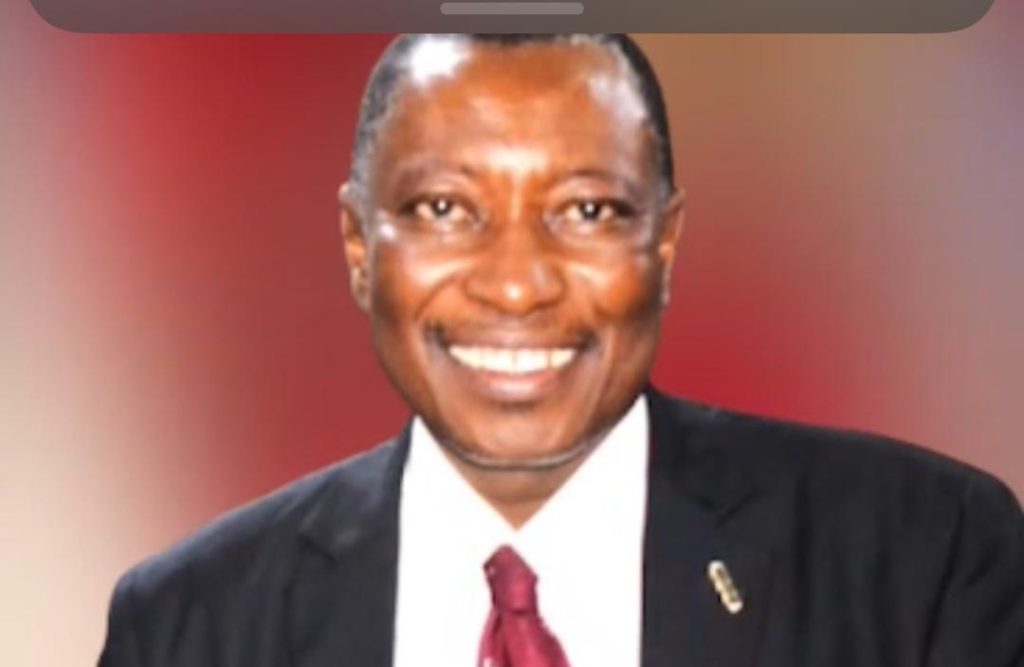
By God’s infinite mercy, I have returned as Chairman of the Code of Conduct Tribunal. My appointment generated some controversies because the President deemed it necessary to revitalise this very important institution.The Code of Conduct Tribunal is the only judicial institution specifically mentioned in the Constitution under the Fifth Schedule. It tries public officers on matters relating to breaches of the Code of Conduct, abuse of office, illicit enrichment, ostentatious living beyond legitimate earnings, and issues of ethics and morality.
As Chairman, one must be above board. You are the arbiter who determines the personal and official conduct of public officers.The Constitution clearly defines who public officers are. They include the President of the Federal Republic of Nigeria, the Vice President, ministers, members of the National Assembly, members of the diplomatic corps, service chiefs, judges—including Justices of the Supreme Court and the Chief Justice of Nigeria—members of academia in public institutions, and anyone at the federal, state, or local government level who earns a salary from public funds.The Tribunal’s mandate is not restricted to asset declaration alone. Even if you declare your assets beyond three months after assuming office, you are already in breach. Subsequently, every four years—whether appointed, elected, or employed—it is mandatory to declare your assets. This serves as a benchmark to determine whether your acquisitions align with your legitimate earnings.Public officers are not permitted to engage in private business or trade while in office, except farming. If you wish to enter politics, you must resign before contesting. Upon appointment, the Chairman of the Tribunal can only be removed under three circumstances: 1. Upon attaining the age of 70; 2. By voluntary resignation; 3. For misconduct or breach of the Code of Conduct, in which case both chambers of the National Assembly must invoke their constitutional powers to remove the Chairman.The Senate, on 20th November 2024, exercised this power and removed the former Chairman on grounds of abuse of office and misconduct. On 26th November 2024, the House of Representatives affirmed the removal with an overwhelming majority.On 20th February 2025, the Secretary to the Government of the Federation presented my appointment letter, backdated to 20th November 2024. I was subsequently inaugurated by the President and sworn in on 7th October 2025.
What was the state of the Tribunal when you assumed office, and what are the current challenges and your vision?
When I assumed office, the Tribunal was in a very poor state. Staff morale was low, infrastructure was dilapidated, there was no electricity or water supply, and furniture was grossly inadequate.I immediately restored electricity and water supply, reactivated boreholes, revitalised transformers, and sought technical assistance. Through outreach to international agencies, we secured computers, laptops, photocopiers, and other equipment.I restructured the institution by expanding it from three departments to thirteen, aligning it with my vision.One major vision is to transform the Tribunal into the Code of Conduct and Anti-Corruption Court, in line with Section 15(5) of the Constitution, which mandates the State to abolish corrupt practices and abuse of office. A bill to that effect has passed second reading at the National Assembly. If passed, anti-corruption agencies would prosecute relevant cases here.
How does the Tribunal collaborate with agencies like EFCC and ICPC?
Currently, the ICPC prosecutes at State High Courts, while the EFCC prosecutes at the Federal High Court. However, under the proposed reform, cases involving public officers could be prosecuted here.This Tribunal operates summary jurisdiction. Before assigning hearing dates, I require lawyers to file all written submissions in advance. After reviewing them, hearings focus on adoption and cross-examination, and judgments are delivered promptly. Ideally, no case should last more than six weeks.The Constitution prescribes specific penalties, including removal from office, disqualification from public office for up to ten years, and forfeiture of ill-gotten assets. These are without prejudice to other criminal penalties under the law.We have also created departments for international liaison—including collaboration with Interpol and international courts—and enforcement of judgments.
How do you ensure fairness in high-profile cases?
The Tribunal does not initiate cases. The Code of Conduct Bureau investigates and refers cases, while the Attorney General prosecutes. We handle adjudication.We do not consider status or public pressure—only facts, evidence, and the law. Decisions are reached collectively by a panel of three judges. Public expectation, institutional responsibility, and the demands of the law must be carefully balanced.
How many cases have been referred since your assumption of office?
I inherited thousands of cases, some dating back over two decades. After discussions with the Bureau, we agreed that only cases within a reasonable timeframe—preferably within three years of occurrence—should be referred to ensure effectiveness.Currently, we handle between two and five cases weekly. The Bureau determines which cases to refer.
What is your vision for the Tribunal in the next five years?
In the next five years, the Tribunal should be placed on first-line charge to guarantee financial independence. We should expand to at least 36 judges, with judicial divisions across the six geopolitical zones and Abuja. Funding must increase significantly to support infrastructure, security, and institutional growth.I have served in public service for 36 years and have never taken illegal money. A significant portion of my earnings has gone to charity.
My goal is to reposition this institution as a model of public governance and exemplary leadership.Within five years, once the institution is fully reformed and functioning optimally, I intend to step aside. I do not wish to remain in office until retirement age. My mission is to rebuild, reposition, and leave behind a strong, sustainable institution. My aim is to demonstrate that public institutions can be run with integrity, efficiency, and vision.