Clean Terminals, Tired Vehicles: The Missing Link In Governor Seyi Makinde’s Transport Reform
By Sola Fanawopo
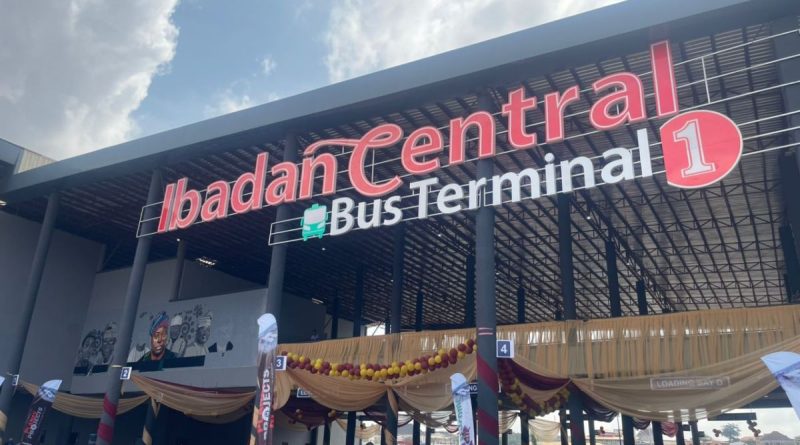
I recently visited the three pillars of Governor Seyi Makinde’s transport vision: the interstate bus terminals at Challenge, Ojoo, and Iwo Road. Without question, the Governor deserves his flowers. These terminals have successfully sanitized and reorganized the chaotic interstate motor operations that once defined Ibadan.
The Challenge Terminal, in particular, is a masterclass in urban management—compact, remarkably neat, and thoughtfully supervised. It reflects a vision of a modern, organized Oyo State.
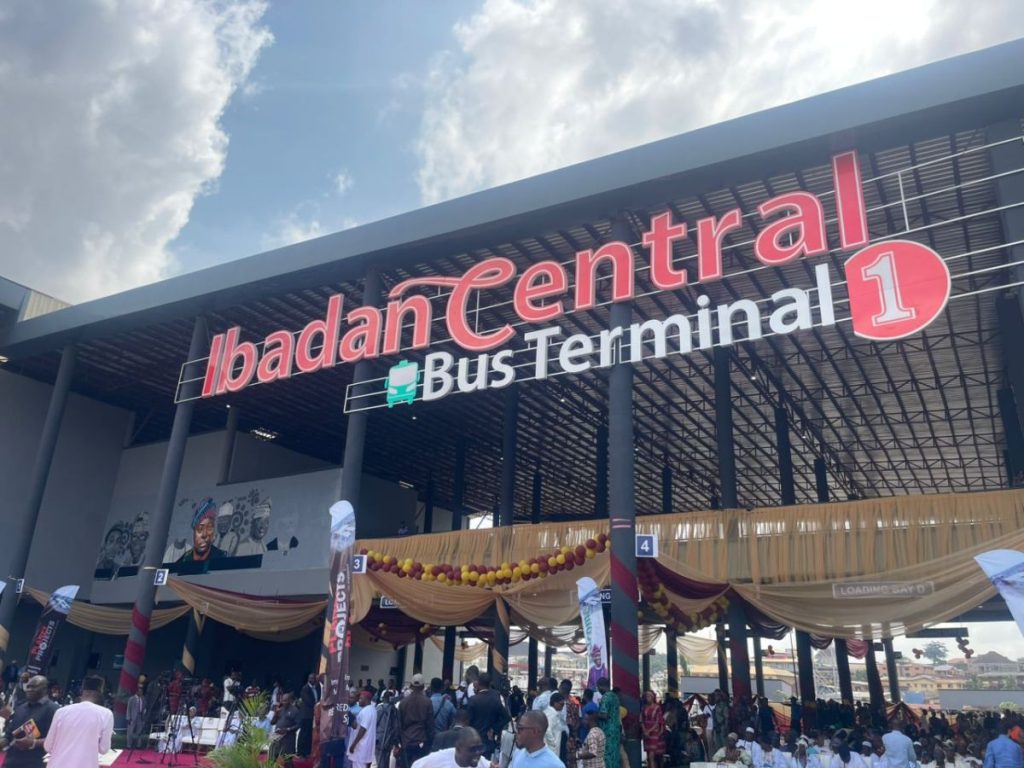
However, from my observatory, a jarring contrast immediately confronts the traveler.The terminals are pristine, but the vehicles are not.
The Visibility of Decay
Governor Makinde’s terminals have done something remarkable: they have aggregated and exposed a problem that was previously hidden in roadside chaos. Now that the vehicles are gathered under the bright lights of organized infrastructure, the decay is on full display.
Rusted bodies, cracked windscreens, and engines that sound like they are gasping for their last breath sit side-by-side with gleaming terminal walls. To borrow a phrase from a traveler at the Iwo Road terminal: “The infrastructure is ahead of the ecosystem.”
The Economics of Distress
This is not a failure of will by transport operators; it is a failure of economics. We are witnessing the “distress” of a sector squeezed by:
Skyrocketing Replacement Costs: A weakened Naira and high exchange rates have made vehicle replacement a luxury few can afford.
Operating Pressures: Rising fuel prices and the high cost of spare parts have forced operators into “survival mode”, managing old vehicles long past their expiration dates.
Shrinking Margins: As passenger purchasing power drops, operators cannot raise fares high enough to fund fleet upgrades.The result? A modern terminal hosting obsolete machines is like a state-of-the-art hospital filled with broken equipment.
The Risk of Polishing the Surface Old vehicles aren’t just an eyesore; they are a public safety hazard.
They mean:Increased Highway Risk: Mechanical failures on high-speed interstate routes.
Environmental Pollution: High emissions from aging diesel and petrol engines.
Reputational Damage: If the journey remains uncomfortable and unsafe, the beauty of the terminal becomes irrelevant to the commuter.
The Next Frontier: Fleet Refreshment
Having built the structures, the government must now focus on the engines. Transport reform must evolve from buildings to standards. Some South West governors have made progress in route regulation, but the next phase must be a structured Fleet Refreshment Scheme.
This is not about subsidies; it is a strategic intervention. The government must partner with transport unions, cooperatives, and local assemblers to facilitate:
Low-Interest Loans: Tailored for commercial vehicle acquisition.Government-Backed Leasing: Allowing drivers to “pay-as-they-earn” toward ownership.
Bulk Purchase Schemes: Leveraging the power of cooperatives to lower unit costs.Incentivized Scrapping: Providing credits for retiring unsafe, “tired” vehicles.
The Bottom Line
Governor Makinde has proven that political will can produce visible order. The Ibadan terminals have solved the problem of sanitation and coordination. But they have also revealed the next great challenge.
Clean terminals are the stage, but the vehicles are the actors. Without a renewed fleet, we are only polishing the surface of a deeper problem. For the South West to claim a truly modern transport system, we must move our focus from the terminal to the tire, and from the building to the engine.
Sola Fanawopo writes from Igbajo