The Dangote Logo As A Cloak: The Hidden Perils Of Brand Franchising On Nigerian Highways
By Sola Fanawopo
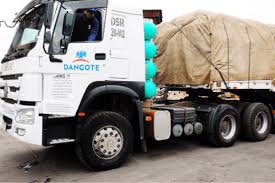
The sight of a Dangote-branded truck on a Nigerian highway is ubiquitous. Usually laden with the cement that builds our nation’s infrastructure, these vehicles carry more than just physical weight; they carry the reputation of Africa’s most recognizable industrial brand. However, a recent harrowing encounter on Oba Akran Road in Ikeja has pulled back the curtain on a disturbing reality: the brand we see is often a mere facade, masking a lack of institutional accountability and a total absence of basic insurance protections.
The Mirage of Corporate Responsibility
When a reckless driver behind the wheel of a “Dangote” truck smashes into a private vehicle, the victim’s first instinct is often a sigh of relief. The logic is simple: “It is a Dangote truck; they are a multi billion-dollar entity; their insurance will surely cover this.”
This, however, is a dangerous misconception. As many victims have discovered upon visiting the maintenance yards, the “owner” of the brand is frequently not the owner of the vehicle. Through a complex web of third-party logistics (3PL) and franchising, thousands of trucks bear the Dangote logo while remaining entirely independent of the Group’s corporate oversight or insurance standards.
The Insurance Vacuum
The most shocking revelation from these highway mishaps is the discovery that many of these branded trucks operate without comprehensive insurance. When a victim demands restitution, they are met not with an insurance adjuster, but with a plea for “mercy.”The internal policy described by yard managers is often draconian: the drivers, many of whom earn modest wages, are told they are personally liable for every mishap. This shifts the burden of a multi-million naira repair from a corporate entity to an individual who cannot possibly pay it.
The Question of Brand Integrity: How can a global conglomerate allow its logo, a symbol of industrial excellence, to be plastered on a vehicle that does not meet the legal or ethical requirements of comprehensive insurance?
Protecting the Brand from Vilification
In modern business, a brand is an intangible asset that must be protected with the same rigors as a physical factory. Every time a branded truck causes an accident and the “owner” vanishes behind a legal loophole of third-party ownership, the Dangote brand is vilified. To the victim and the onlookers, it isn’t “Third-Party Logistics Company X” that caused the terror; it is Dangote.To prevent this erosion of public trust, the Dangote Group must implement a mandatory Brand Protection Protocol:
Compulsory Comprehensive Coverage:
No vehicle should be allowed to bear the Dangote logo or transport its goods unless it provides proof of a valid comprehensive insurance policy.
Centralized Claims Registry:
There should be a transparent process where victims of accidents involving branded vehicles can report incidents directly to the parent group to ensure the third-party owners comply with local laws.
Standardized Driver Training:
Responsibility shouldn’t just be about who pays for the damage; it should be about preventing it through rigorous vetting of third-party drivers.
Conclusion: Beyond the Logo
A brand is a promise. When that logo is seen on the highway, it should promise safety and accountability, not “terror.” By failing to enforce insurance standards among its logistics partners, the Dangote Group isn’t just risking the lives of Nigerians; it is allowing its hard-earned reputation to be dragged through the wreckage of our highways.
It is time to ensure that the “Cement King’s” logo is backed by more than just a coat of paint, it must be backed by the weight of corporate responsibility.
Sola Fanawopo writes from Igbajo