Nigeria Calls For Stronger Africa–Latin America Alliance At CELAC Forum
By Bukar BOLORI
Nigeria has urged deeper cooperation between African and Latin American nations, stressing that stronger partnerships among countries of the Global South are essential to navigating growing global uncertainty and building more balanced international relations.
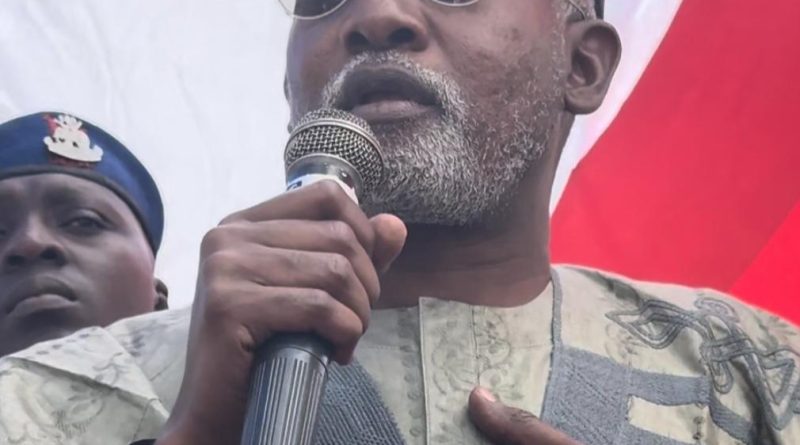
Speaking at the CELAC–Africa High-Level Forum in Bogotá, Nigeria’s Minister of Foreign Affairs, Yusuf Maitama Tuggar, called on leaders from both regions to intensify collaboration in key sectors including technology, agriculture, education, energy and culture.
Community of Latin American and Caribbean States — commonly known as CELAC — is a regional organization that brings together countries from Latin America and the Caribbean to promote political dialogue, economic cooperation, and regional integration.
Tuggar, who represented President Bola Ahmed Tinubu at the gathering, described the forum as a timely opportunity for Africa and Latin America to redefine their role in a rapidly changing global landscape.
He praised Colombian President Gustavo Petro for convening the meeting at a moment marked by geopolitical tensions and economic disruptions across the world.
According to the minister, the consequences of global conflicts and instability are increasingly felt by developing nations, even when such crises occur far beyond their borders.
He, therefore, urged countries in both regions to take a more coordinated approach in shaping international outcomes that promote peace, economic resilience, and shared prosperity.
Tuggar said Africa and Latin America must strengthen their collective voice in global affairs to challenge systems that have historically disadvantaged developing economies.
He emphasized that stronger South–South cooperation could unlock new opportunities for trade, innovation and sustainable development.
Highlighting Nigeria’s priorities for deeper engagement, the minister pointed to growing prospects in agriculture, solid minerals, renewable energy and emerging technologies.
He also stressed the need for both regions to actively participate in the development of transformative technologies such as Artificial Intelligence, warning that the Global South must not be left behind in the next wave of technological advancement.
Tuggar reaffirmed Nigeria’s longstanding commitment to international cooperation through initiatives such as the Technical Aid Corps, which has deployed Nigerian professionals to Caribbean countries for nearly four decades.
He said the programme reflects Nigeria’s broader commitment to strengthening ties with partners across Latin America and the Caribbean.
On economic cooperation, the minister highlighted Nigeria’s position as Africa’s largest market and underscored opportunities for investment in agro-processing and food production.
He noted that Nigeria is implementing policies aimed at achieving food self-sufficiency while expanding fertiliser production to support farmers and boost agricultural output.
Beyond economic ties, Tuggar also stressed the importance of cultural exchange and creative industries as powerful tools for deepening connections between the two regions.
He called for expanded collaboration in arts, education, digital innovation and intellectual property development.
Addressing wider global challenges, the minister advocated stronger joint action on climate change, improved healthcare access and increased technology transfer to developing countries.
He also reiterated Nigeria’s position on the need for greater accountability in addressing illicit financial flows from developing economies and renewed calls for historical reparations linked to the legacies of slavery and colonialism.
The CELAC–Africa High-Level Forum, organised under the framework of the Community of Latin American and Caribbean States, brought together leaders and senior officials from Latin America, the Caribbean and Africa from March 20 to 21 to explore ways of strengthening political, economic and cultural cooperation between the two regions.
Tuggar concluded by urging participants to seize the moment to build stronger interregional partnerships capable of unlocking economic potential and advancing a more equitable global order.