Nigeria’s Year Of Dabush Kabash
By Prince Charles Dickson Ph.D.
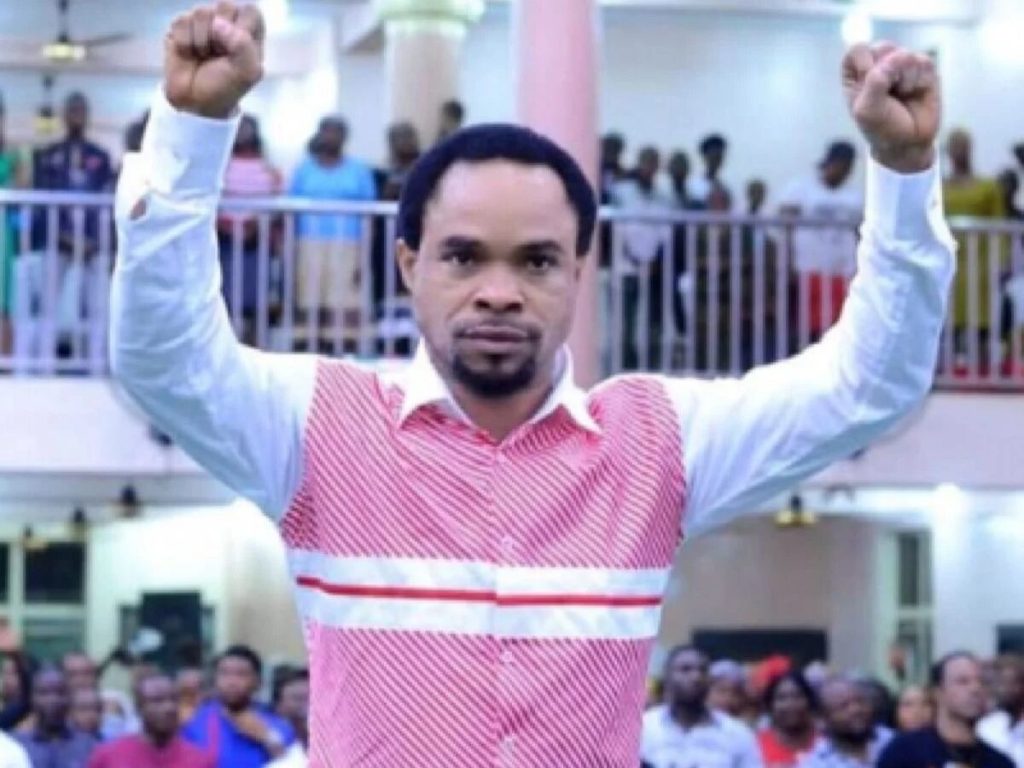
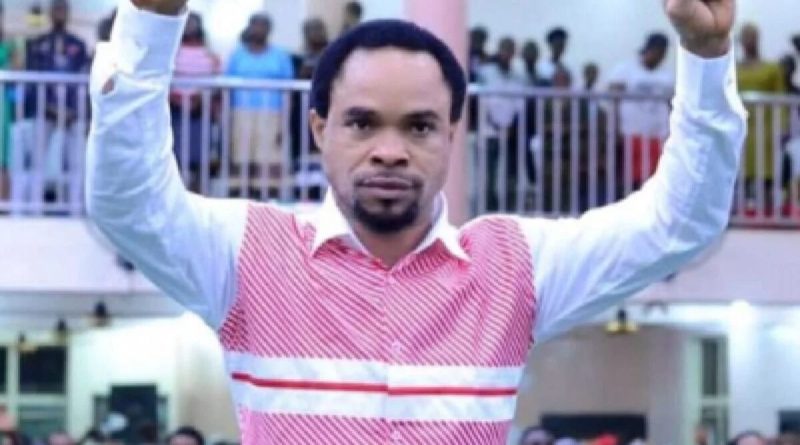
The phrase Dabush Kabash—popularised by the maverick Nigerian preacher Chukwuemeka Cyril Ohanaemere (Odumeje)—was never meant to be a political theory. It was theatre, prophecy-as-performance, the language of shock and spectacle. Yet, as Nigeria inches toward 2027, Dabush Kabash will not just be in the pulpit, it will find a comfortable home in our politics. It will describe the collision of ambition, uncertainty, bravado, confusion, alliances, betrayals, and loud declarations that mean everything and nothing at the same time.
This is a season where everyone is speaking, few are listening, and the ground beneath the republic feels unsettled. A year where political actors are already campaigning without calling it campaigns, negotiating without admitting it, and defecting without shame. Nigeria, once again, is rehearsing power before the curtain officially rises.
As 2027 approaches, the scramble is neither subtle nor dignified. Atiku Abubakar has made it clear—again—that he will not step down for anyone. His persistence is framed by supporters as resilience and by critics as entitlement. Either way, Atiku represents continuity in Nigerian politics: a belief that the centre must always hold him, regardless of shifting public mood.
Then there is Peter Obi, still buoyed by the aftershocks of 2023, where belief momentarily disrupted cynicism. Whether that energy can be sustained, institutionalised, or translated into broader coalitions remains an open question. Charisma without structure has limits; structure without imagination does too.
Rotimi Amaechi, restless and calculating, watches the chessboard from the sidelines, never fully out of the game. Nasir El-Rufai continues to speak as though he is both inside and outside power, simultaneously insider, critic, and ideologue. Rabiu Kwankwaso, with his disciplined base and regional gravitas, remains a reminder that Nigeria is not won on social media alone.
There are new brides—fresh aspirants, technocrats flirting with politics, and business elites suddenly discovering patriotism. There are old grooms—veterans who have contested so often that ambition has become muscle memory. Everyone is at the gate. No one wants to wait their turn.
If Nigerian politics needed a parable, Rivers State has provided one. The public rift between Nyesom Wike and Siminalayi Fubara is less about governance and more about control—who anoints, who obeys, who inherits political machinery.
Like exiles by the rivers of Babylon, both camps sing songs of loyalty and betrayal, each claiming legitimacy, each invoking the people while fighting over structures. It is a reminder that Nigerian politics is rarely ideological; it is intensely personal. Power is not just about winning elections; it is about owning outcomes, narratives, and successors.
The ruling All Progressives Congress is swelling. Defections are marketed as endorsements, and numerical strength is mistaken for moral authority. But Nigeria has seen this movie before. The People’s Democratic Party once enjoyed similar expansion during the Obasanjo years, only to implode under the weight of internal contradictions, ambition overload, and unmanaged succession.
Big tents collapse when they are not anchored by shared values. Congresses meant to unify often become theatres of exclusion. Candidate selection becomes war by other means. The question is not whether APC is growing, but whether it can survive the internal earthquakes that primaries inevitably unleash.
Meanwhile, the Labour Party stands at a crossroads. The reported ambition of Datti Baba-Ahmed to run as a principal candidate raises deeper questions about succession, internal democracy, and the danger of mistaking momentum for permanence. Movements are fragile when institutions are weak.
Coalitions are forming quietly across regions, religions, and old rivalries. Old enemies share tea; former allies exchange barbs. In Nigeria, there are no permanent friends, only temporary arithmetic. North meets South. Centre negotiates with margins. Everyone is counting delegates, governors, influencers, and platforms.
But alliances without memory are dangerous. Nigeria has a habit of forgetting why previous coalitions failed: unresolved grievances, unequal power-sharing, and elite consensus that excludes the citizens. When deals are made above the heads of the people, legitimacy becomes borrowed—and debt always comes due.
While politicians posture, Nigerians are trying to understand a new tax regime, rising costs, shrinking incomes, and policy explanations that sound more academic than humane. Economic anxiety rarely announces itself with protests at first; it shows up as withdrawal, distrust, and apathy.
Every political drama in 2026 will touch the economy. Every economic policy will shape the political mood. You cannot separate the two. The tragedy is that economic suffering is often treated as background noise while political ambition takes centre stage.
So yes; this is the year of Dabush Kabash. Not because it is funny, but because it is revealing. It captures a politics of spectacle without substance, noise without consensus, movement without direction. Everyone is declaring, few are delivering.
Yet within the chaos lies opportunity. Dabush Kabash also means collision, and collisions force choices. Nigeria will have to decide whether it wants politics as performance or politics as responsibility. Whether power remains a private prize or becomes a public trust.
History will not be kind to this season if it produces only loud men and empty alliances. But it may yet redeem itself if citizens begin to ask harder questions; not just who wants power, but for what, with whom, and at what cost.
Because beyond the theatrics, Nigeria is watching. And this time, the applause is no longer guaranteed—May Nigeria win