
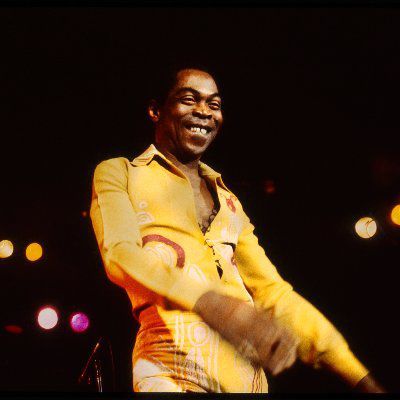
Fela And The Triumph Of Time
By Babafemi Ojudu
Twenty-nine years after his death, the world has finally caught up with Fela Aníkúlápó‑Kuti. The Grammy honour bestowed on him is not merely an award; it is history correcting itself—late, reluctant, but unmistakable. It is proof that truth, though delayed, has a stubborn habit of resurfacing.
There is a quiet, defiant joy in seeing Fela honoured and celebrated in the very lifetime of his traducers. Many of his contemporaries—those who set his home ablaze, who hounded his mother to her death, who beat, tortured, jailed him, and systematically stripped him of his rights—are still alive to witness this moment. History, patient and unforgiving, has rendered its verdict.
They tried to silence him. They could not.They tried to break him. They only amplified his voice.
What unfolds before us is larger than music or medals. It is a lesson written in the long ink of time. Power is loud, but truth is stubborn. Violence can interrupt a life, but it cannot kill an idea whose time has come. The tools of repression age badly; the courage of resistance ripens with the years.
Those who rule by fear often mistake the present for permanence. They believe the prisons they build will last forever, that the songs they ban will vanish, that the voices they crush will be forgotten. They are always wrong. History watches quietly. It records meticulously. And when it finally speaks, it speaks without appeal.
Today, even in death, Fela stands vindicated. His persecutors endure only as footnotes to his greatness, while his name is sung across continents, his truth remembered, his spirit crowned. No victory is sweeter than this—when the oppressed outlives the power of his oppressors, and justice, though delayed, finally finds its voice.
Let this be both warning and consolation. Power fades. Truth endures. Tyrants may win moments, but resisters win time. And in the end, time remains the only judge that never takes bribes.