
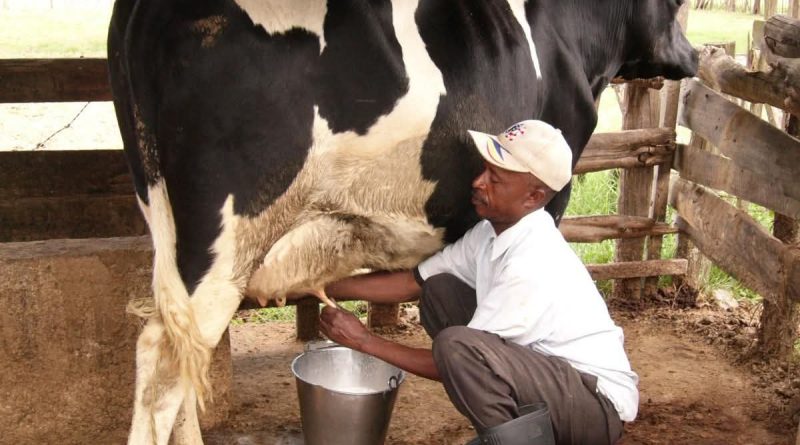
The White Gold Revolution: How To Transform South West Nigeria Into A Dairy Economic Hub
By Sola Fanawopo
For decades, Nigeria’s dairy industry has been defined by untapped potential and a heavy reliance on imports.
However, a quiet revolution is brewing in Osun State. A strategic partnership between Bowen University, Iwo, and the Igbajo community is proving that the path to regional prosperity isn’t found in massive industrial ranches, but in the backyards of everyday citizens.By scaling this pilot household dairy scheme, South West Nigeria can transition from a mere consumer of dairy to the nation’s primary economic engine for livestock products.
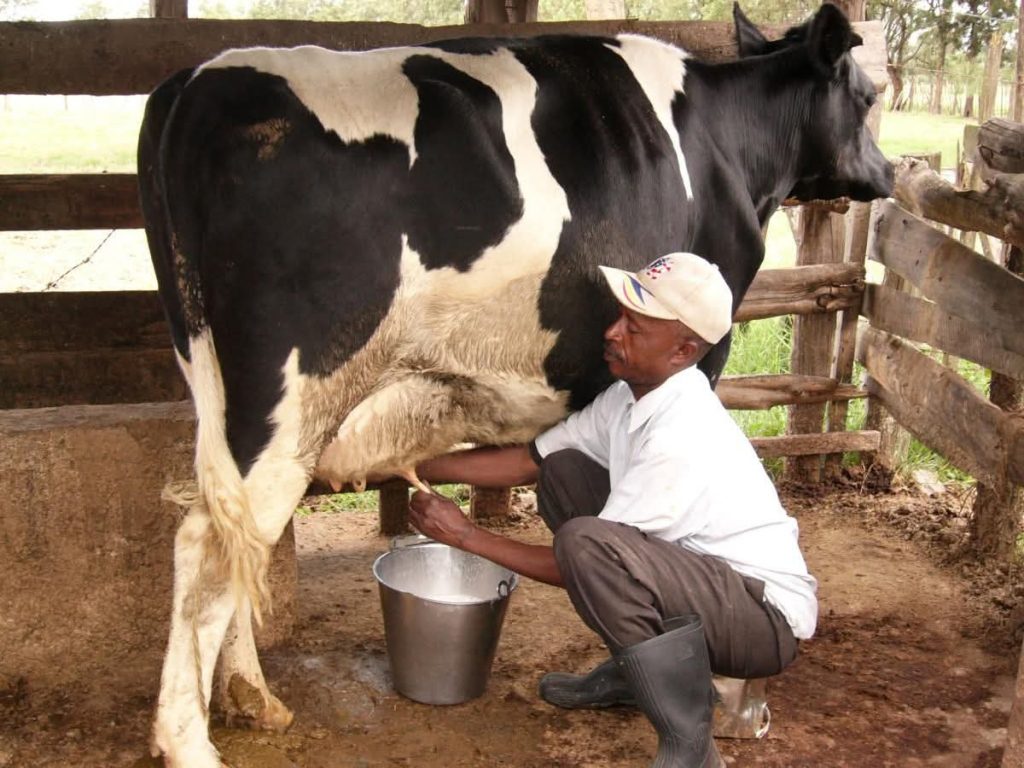
The Kenyan Inspiration: Strength in Smallholders
The “White Gold” model isn’t just theory; it is proven history. In Kenya, approximately 1.8 million households are involved in dairy farming. Crucially, over 80% of these are small holder farmers managing just 2–5 cows. This decentralized approach provides:
Direct Livelihoods: Over 800,000 smallholders rely on dairy as their primary income.
Job Creation: An additional 365,000 people are employed in wage labor and milk trading.
Nutritional Security: Consistent access to high-quality protein for rural families.
The Igbajo Model:A Blueprint for Empowerment
The Igbajo pilot leverages the academic and technical expertise of Bowen University to provide artificial insemination for high-yield dairy and beef cattle. The university serves as more than a scientific partner; it acts as the guaranteed offtaker, ensuring every drop of milk has an immediate market.
The Mechanics of the Household Scheme
Low Entry Barriers: Households manage at least two cows with minimal infrastructure, a fenced plot and cooperative membership.
The Credit Loop: Itinerant collectors supply specialized animal feed on credit. This debt is settled daily using raw milk, creating a “milk-for-feed” system that eliminates high operational costs for families.
Biological Savings: In an era of currency volatility, livestock acts as a “biological savings account.” Animals appreciate in value and provide daily cash flow, offering a more resilient hedge against inflation than idle cash.
Economic Multipliers: Beyond the Pail
A regional shift toward household dairy farming triggers a massive ripple effect across the economy:
Agricultural Synergy: Increased cattle populations drive demand for feed. This allows the government to act as the Buyer of Last Resort for crop farmers (maize, soy, forage), ensuring no harvest is ever stranded.
Professional Growth: The programme necessitates a surge in well-trained veterinary officials and extension workers, creating a new professional class within the rural economy.
Inflation Insulation: By producing milk locally, the region reduces its exposure to foreign exchange fluctuations associated with imported dairy powder.
The “Osun Vision”: From Handouts to Assets
The target for Osun State serves as a bold benchmark for the entire South West. To achieve a scale that traditional ranching cannot match, the strategy must shift.Instead of traditional “poverty alleviation” handouts that offer temporary relief, local and state governments should pivot toward funding the acquisition of cows for households.
By investing in live assets rather than cash transfers, the government transforms citizens from passive recipients of aid into active participants in a multi-billion naira industry. This is the essence of the White Gold Revolution: empowering the grassroots to build a sustainable, self-sufficient, and prosperous South West.
©Sola Fanawopo