LAGOCO Press Week Highlights Need For Journalists’ Safety, Ethical Reporting Pre-Elections
By BENJAMIN OMOIKE
LAGOS, Nigeria – Journalists across Nigeria have been urged to prioritise safety, professionalism and ethical conduct as the country approaches another election cycle, with a strong emphasis on responsible reporting in an increasingly volatile political climate.
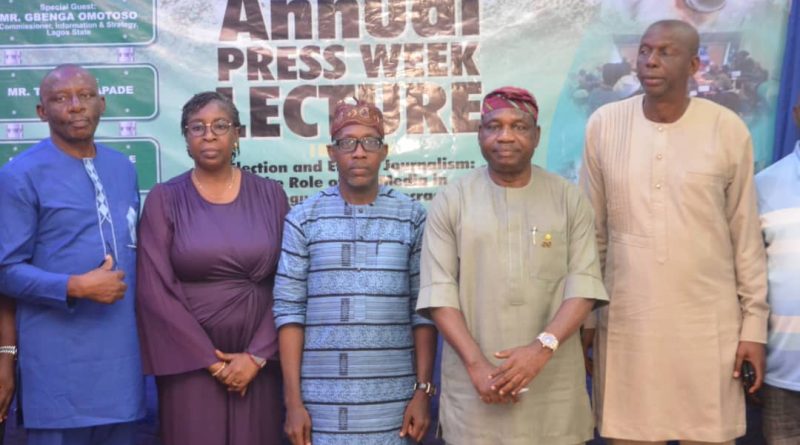
This call was made on Wednesday during the 2026 Annual Press Week lecture organised by the Lagos State Governor’s Office Correspondents at the Bagauda Kaltho Press Centre, Alausa, Ikeja.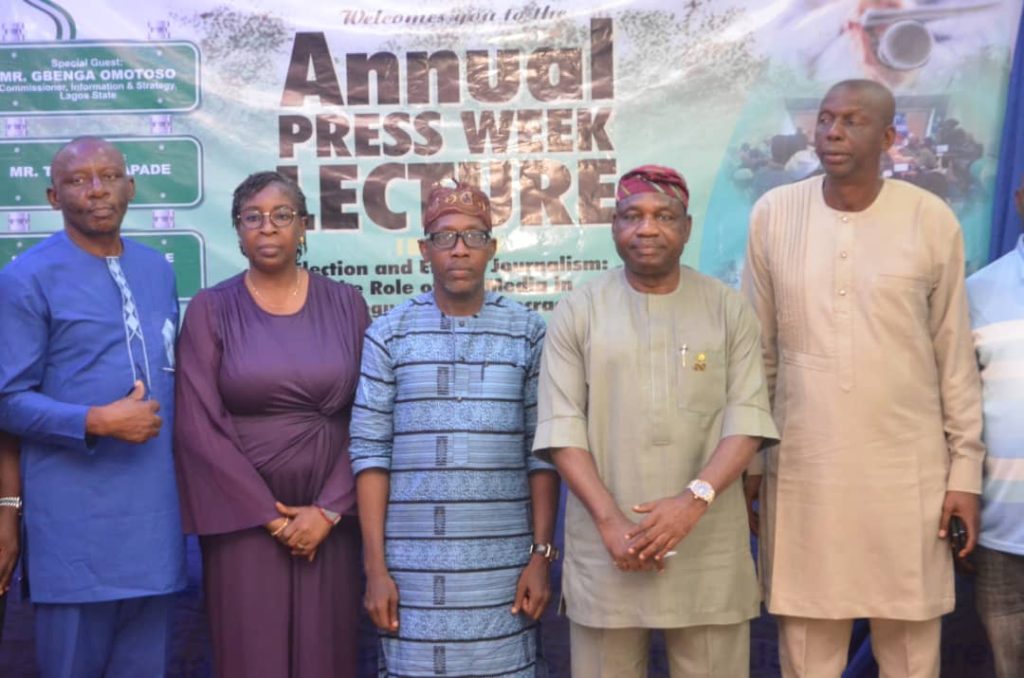
He described elections in Nigeria as a critical democratic process often perceived differently by stakeholders.
“While journalists see elections as a tool for democratic progress, many citizens approach them with a war-like mindset. This underscores the need for responsible reportage and national unity,” he said. Omotoso urged Nigerians, particularly media practitioners, to embrace peaceful conduct before, during and after elections, stressing that grievances arising from electoral outcomes should be addressed through lawful and non-violent means. Also delivering a goodwill message, the Chairman of the Nigeria Union of Journalists, Adeleye Ajayi, who was represented by Philips Nwosu, congratulated LAGOCO on a successful press week.He noted that the theme of the lecture was timely, emphasising that ethical journalism—anchored on truth, fairness and balance—is indispensable during election periods.
In her remarks, the Administrative and Human Resources Manager of the Press Centre, Mrs Adebunmi Dasilva, appreciated LAGOCO members for their inclusiveness and professionalism.She described journalism as a noble profession that plays a vital role in shaping public discourse and called for more engagement between the media and political actors to promote constructive dialogue.
Delivering the keynote lecture, media expert Taiwo Olapade, spoke on the theme: “Election and ethical journalism: The Role of the Media in Safeguarding Democracy” warned journalists to exercise heightened caution as political activities intensify.He stressed that the rapid evolution of media platforms—including electronic, digital and social media—has increased both the reach and risks associated with information dissemination.
Olapade traced Nigeria’s electoral journey from the 1959 parliamentary elections to the present democratic era, noting that the media has consistently played a pivotal role in shaping electoral outcomes and public perception. He, however, emphasised the need for strict adherence to ethical standards, urging journalists to remain objective, balanced and accountable in their reporting. “Journalists must ensure fairness by providing all parties the right of reply and avoiding one-sided narratives. We must act as advocates of the people while safeguarding national interest,” he said. The guest speaker further highlighted the importance of developmental journalism, noting that national security and social stability should take precedence in media practice, especially during sensitive political periods. He also advised media professionals to prioritise their safety and verify electoral information through official channels such as the Independent National Electoral Commission before publication, to avoid misinformation and potential legal consequences. The event brought together media practitioners, stakeholders and industry leaders, reinforcing the critical role of the press in sustaining Nigeria’s democracy through responsible and ethical journalism.