UNESCO, CWAY Seal Landmark Pact To Transform Adolescent Health, Inclusive Education For Over One Million Nigerian Learners
By Bukar BOLORI
In a significant move poised to reshape adolescent development in Nigeria, the United Nations Educational, Scientific and Cultural Organisation (UNESCO) has partnered with CWAY Group to roll out a large-scale initiative targeting improved health outcomes and inclusive learning for young people across key states.
The programme, titled “Strengthening Adolescent Health and Inclusive Learning,” will be implemented in Enugu, the Federal Capital Territory (FCT), Lagos, and Ogun States, with an ambitious target of reaching more than one million learners.
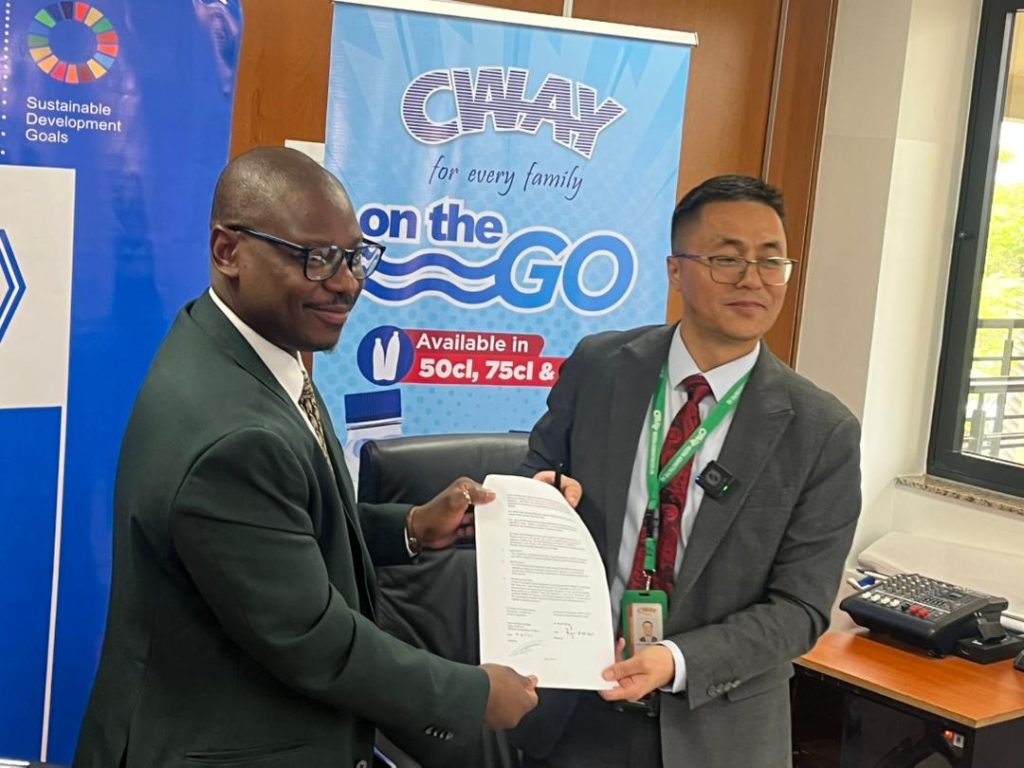
At the signing ceremony in Abuja, UNESCO’s Head of Office and Country Representative, Jean-Paul Ngome Abiaga, framed the agreement as a defining step beyond institutional collaboration.
“This is not just a formal agreement; it is a commitment to expanding opportunity, safeguarding dignity, and securing a better future for adolescents,” he said.
Abiaga outlined three strategic pillars underpinning the partnership—deepened inclusion, the integration of health and education, and sustained multi-stakeholder collaboration—emphasizing that equitable access must remain central to the initiative.
“Inclusion is not optional. Every adolescent—regardless of gender, ability, or background—must have access to quality education and the health knowledge required to thrive,” he stressed.
He further underscored the critical link between health and learning, noting that the initiative would deploy evidence-driven interventions to simultaneously address both sectors.
According to him, empowering adolescents with the right information and support systems will enable them to make informed life choices and contribute meaningfully to society.
On the private sector’s role, Abiaga commended CWAY Group for demonstrating leadership through impactful corporate social responsibility, describing the collaboration as a model for purposeful investment in national development.
Speaking on behalf of CWAY, Deputy Director Moses Wang said the company’s involvement reflects a long-standing commitment to community advancement.
“We began with the community, and this initiative brings us back to our roots on a much larger scale. It is an opportunity to drive meaningful change across the country,” Wang said.
He added that after more than two decades in Nigeria’s manufacturing industry, the company is intensifying its focus on education and health as pillars of sustainable growth.
“No nation can develop without educating its youth and safeguarding their health. This partnership enables us to address both in a structured and lasting way,” he noted.
Also lending her voice, the Secretary-General of the Nigerian National Commission for UNESCO, Olagunju Lateef, described the initiative as a reflection of shared responsibility among stakeholders to invest in Nigeria’s young population.
Represented by the Head of Education Sector, Mrs. Eunice Ayara, she expressed optimism that the collaboration would deliver tangible benefits, particularly for marginalized groups.
“This effort signals a collective resolve to equip adolescents with the knowledge, skills, and support they need to succeed, especially those who are often left behind,” she said.
The initiative is expected to strengthen inclusive education systems, expand access to reliable health information, and foster stronger partnerships among government agencies, educators, and local communities.
Notably, at least 1,000 learners with disabilities are among those set to benefit directly, underscoring the project’s inclusive focus.
As implementation gets underway, stakeholders have been urged to maintain transparency, accountability, and long-term commitment to ensure the programme delivers measurable and sustainable impact.
With its scale and ambition, the UNESCO–CWAY partnership signals a renewed push to place adolescent well-being at the centre of Nigeria’s development agenda—bridging gaps in education and health while shaping a more inclusive future for the next generation.