
MY OBSERVATORY The Private Revolution: Why The 2026/27 NPFL Season Is A Corporate Goldmine
By Sola Fanawopo
The Nigerian Premier Football League (NPFL) is on the cusp of a seismic shift. For decades, the domestic game has been dominated by state-funded clubs, entities often subject to the volatility of political cycles and inconsistent funding. However, the 2026/27 season signals a definitive turning point.
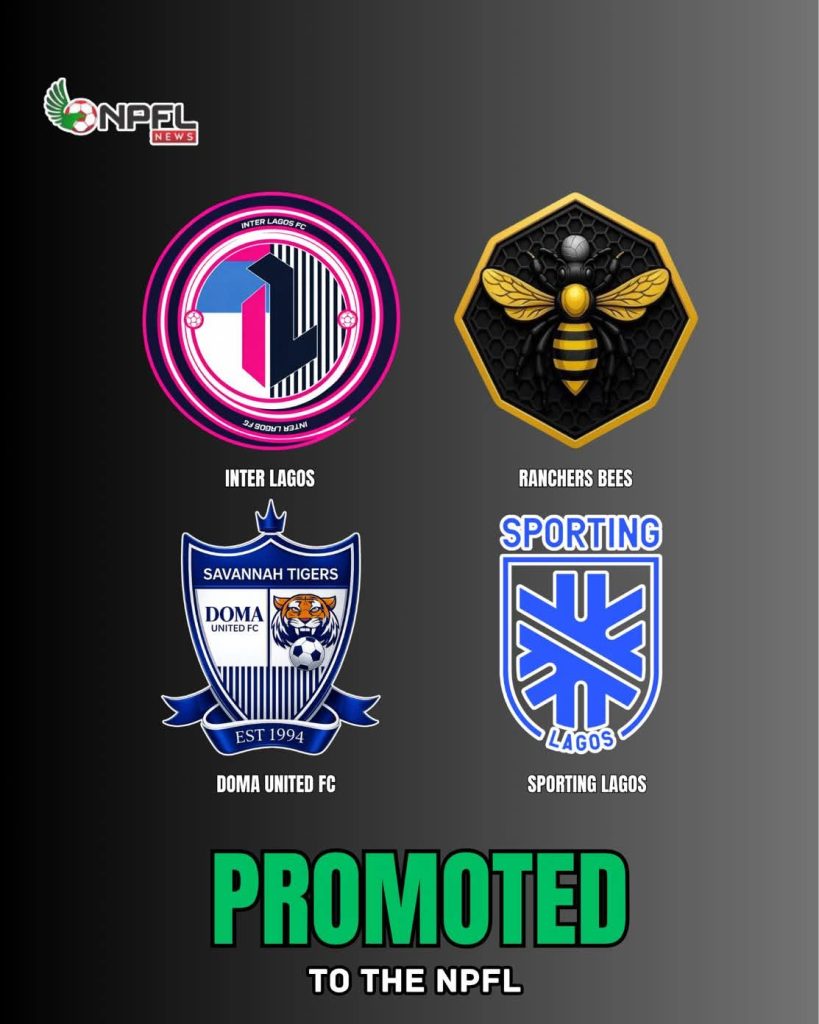
The promotion of Inter Lagos FC, Doma United, Ranchers Bees, and Sporting Lagos, alongside the sustained elite presence of Barau FC and Ikorodu City, marks a new era. While Remo Stars and Kun Khalifat continue their battle for survival, the overarching narrative is clear: the “Private Era” of Nigerian football has arrived.
What unites these clubs is a simple but powerful reality: they are privately owned, professionally managed, and built for commercial sustainability.
The Removal of Political Risk
At the heart of this transition is the removal of political risk, the single biggest barrier to corporate investment in Nigerian football. Historically, corporate sponsors have been wary; in state-owned clubs, a change in government often triggers wholesale restructuring, leaving contracts abandoned and partnerships in tatters.
Private ownership eliminates this uncertainty. Brands can now confidently enter multi-year agreements, from stadium naming rights to apparel deals, knowing their investments are protected by administrative continuity.
The Experience Economy
Modern football is no longer confined to the 90 minutes on the pitch; it is an ecosystem of content and culture. Clubs like Sporting Lagos and Inter Lagos are pioneering the “matchday experience,” utilizing venues like the Mobolaji Johnson Arena to host curated fan zones and premium hospitality.
For brands, this offers more than just logo visibility. It provides a platform for experiential activations aimed at a digitally engaged, lifestyle-driven audience. Stadium naming rights and category exclusivity are no longer theoretical concepts, they are now viable, high-value commercial assets.
The Technology and Data Advantage
Perhaps the most significant leap forward lies in data. Privately run clubs are embracing technology at their core. Through digital ticketing, fintech integrations, and cashless stadium ecosystems, these clubs are beginning to provide what the corporate world craves: measurable fan engagement metrics.
For financial institutions and fintech companies, becoming an “Official Payment Partner” is no longer just a branding exercise; it is an acquisition of market intelligence. Access to real-time insights into spending patterns and attendance habits transforms a sponsorship from a “social service” into a strategic business move.
Regional Strength, National Opportunity
This revolution is not geographically isolated. In Northern Nigeria, clubs such as Doma United, Ranchers Bees, and Barau FC command deep-rooted community loyalty. These clubs provide a powerful gateway for brands seeking regional penetration. Through grassroots development and transparent operational structures, they offer corporate partners both scale and authenticity.
A New Corporate Dawn
The 2026/27 season will likely be remembered as the year the NPFL became truly investable. As these private entities take the field, they embody a new economic blueprint for the Nigerian game.
The transition from football as a government-subsidized activity to a bankable commercial industry is no longer a dream, it is happening. For corporate Nigeria, the question is no longer whether to invest, but how quickly they can secure a foothold in this new era.
Sola Fanawopo Chairman, Osun State Football Association