Rafiu Jafojo: Lagos’s Loyal Lieutenant, Remembered Ten Years On
By Dave Agboola
The hall in Ikeja was alive with memory on Thursday, April 23. Sunlight filtered through tall windows, catching the gold embroidery of agbadas and the muted sheen of dark suits. The air carried a mix of solemnity and pride, as if the city itself had paused to honour one of its most steadfast sons.
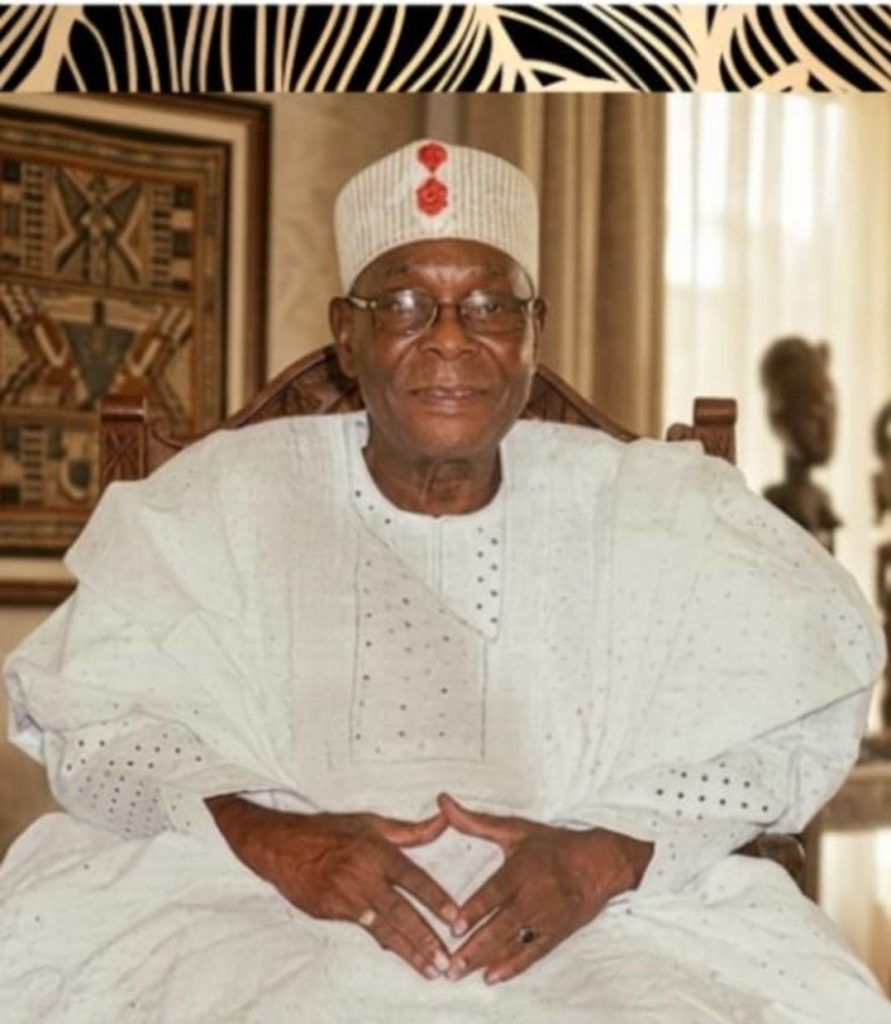
Ten years after his passing, Chief Rafiu Adeyefa Jafojo—the first executive deputy governor of Lagos State—was remembered not only as a politician, but as a symbol of loyalty in an age of ambition.
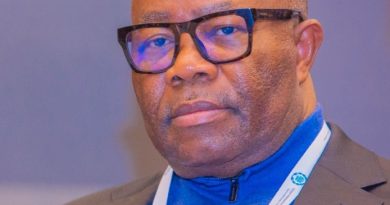
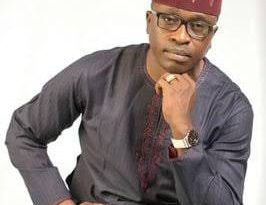
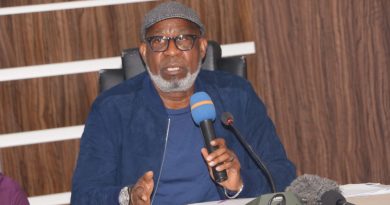
The memorial lecture drew a formidable roster. Former President Olusegun Obasanjo, represented by his wife Bola, lent the occasion national weight. Governor Babajide Sanwo-Olu’s delegation arrived with quiet dignity. Senators Tokunbo Afikuyomi and Bode Olajumoke, Ovation publisher Dele Momodu, Afenifere chieftain Supo Shonibare, and traditional rulers filled the hall. Their presence was less about protocol than about respect for a man whose influence had rippled across politics, culture, and community.
Professor Olatunji Olateju’s keynote lecture set the tone. He reminded the audience that Jafojo’s loyalty to Governor Lateef Jakande was unwavering, even when deputy governors elsewhere sought to eclipse their principals. “He was loyalty personified,” Olateju said, his voice carrying both admiration and rebuke. “Today, party discipline has been relegated. Jafojo stood as proof that loyalty is not weakness—it is strength.”
Senator Olajumoke added a personal note, recalling how Jafojo’s humility transcended divides. “The fact that he and Jakande were Muslims never mattered. It was their simplicity, their devotion to service, that bound them.”
The most intimate portrait came from Adewale Jafojo, one of the late statesman’s sons. Reading from his father’s biography, he traced a journey that began on Denton Street in Ebute Meta in 1935. Rafiu Jafojo was the only surviving son of his family, raised in Ikeja alongside his sisters. His early education at Alafia Institute and Christ High School revealed a sharp mind, and by 1961 he was in England, studying building technology at Hackney Technical College and Northern Polytechnic Holloway.
Abroad, Jafojo was not just a student but an activist, joining the West African Students Union and Egbe Afenifere. His passion for leadership was evident even then. Returning to Nigeria in 1970, he worked briefly as an engineer before entering politics. By 1975, he was a councillor in Ikeja, and in 1979, destiny placed him alongside Lateef Jakande as Lagos’s first democratically elected governor-deputy governor team.
Those who knew him described a man who carried himself with quiet dignity. He was respected for his truthfulness, humility, and rare ability to unite people across divides. His service was not confined to politics—it was rooted in community, in the advancement of the Awori people, and in the belief that leadership was a calling, not a career.
Inside the hall, the tributes felt less like eulogies and more like lessons. Attendees scribbled notes, others closed their eyes, as if replaying their own encounters with Jafojo. The mood was not mournful but resolute. His name was spoken not as a relic of history but as a living reminder—that politics can be rooted in integrity, that humility can unite, and that loyalty, in its purest form, can be courage.
Outside, Lagos traffic roared as usual, impatient and unrelenting. But inside, time seemed suspended. Ten years on, Rafiu Jafojo’s voice still echoed—not in sound, but in the values he embodied.
Agboola a Media Consultant, writes from Lagos, Nigeria