
Conflict, Funding Cuts Push Northern Nigeria Hunger Crisis To Worst Level In Nearly A Decade, WFP Warns
By Bukar BOLORI
Escalating conflict, shrinking humanitarian funding and worsening access constraints have pushed northern Nigeria into its most severe hunger crisis in almost a decade, with more than 17 million people now facing acute food insecurity, the United Nations World Food Programme (WFP) has warned.
The UN agency said the deteriorating security situation, particularly in the North-East, is forcing families from their homes and farms, disrupting humanitarian operations and leaving millions without life-saving food assistance.
According to the latest Cadre Harmonisé food security analysis, more than 17 million people across nine conflict-affected northern states are experiencing crisis, emergency or catastrophic levels of hunger—an increase of nearly two million people compared to the previous assessment.
The report painted an especially grim picture in Borno State, where renewed insurgent attacks coupled with the suspension of food assistance in some areas have left more than three million people acutely food insecure.
Of that figure, over 750,000 are experiencing severe hunger, while more than 10,000 people have slipped into catastrophic hunger—the highest level of food insecurity and one often associated with famine-like conditions.
Although those facing catastrophic hunger represent a relatively small proportion of Borno’s population, WFP warned that the figures signal a rapidly deteriorating humanitarian situation.
“What concerns us most is how this crisis is expanding,” said Kinday Samba.
“For years, insurgent attacks and violence were largely concentrated in parts of northeast Nigeria. Today, they are spreading across a much wider area and forcing people from farmland, driving displacement and restricting humanitarian access, meaning hunger is quick to follow.”
The agency said insecurity has significantly reduced access to vulnerable communities, with the number of locations partially inaccessible to humanitarian workers doubling in recent months.
An additional 15 areas are now considered difficult for WFP personnel to reach because of insecurity.
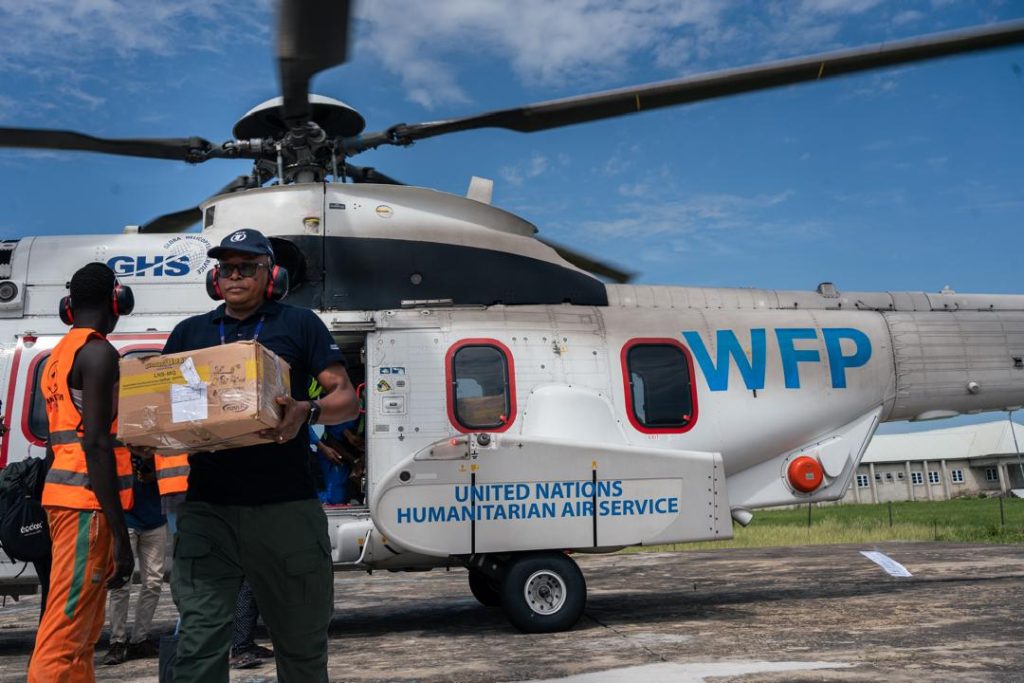
Humanitarian supply chains have also come under increasing pressure as attacks and illegal checkpoints disrupt the movement of relief materials along major transport corridors, leaving air transport as the only viable option in several locations.
Beyond insecurity, WFP identified severe funding shortages as a major factor worsening the crisis.
While an estimated 6.2 million people are now food insecure across the three insurgency-ravaged North-East states, the agency said it currently has sufficient resources to assist only about 740,000 people.
That leaves approximately 5.5 million people—many of them women and children—without essential food and nutrition support.
The figure represents a sharp decline from the 1.3 million people WFP assisted during the peak of the 2025 lean season.
The agency warned that the suspension of food assistance in several displacement camps is pushing desperate families toward dangerous coping mechanisms.
Communities have reported cases of people joining armed groups in exchange for food or income, highlighting the growing link between hunger, insecurity and recruitment by violent extremists.
WFP also raised alarm over increasing reports of exploitation and gender-based violence, particularly affecting women and children, following reductions in humanitarian assistance.
“When people lose access to food, the risks of displacement, exploitation and instability increase. Yet resources are at their lowest at the time they are needed most,” Samba said.
The new assessment also indicates that Nigeria’s food crisis extends well beyond conflict-hit northern communities.
Nationwide, an estimated 36.2 million people are now experiencing food insecurity, reflecting the combined impact of persistent insecurity, inflation, climate shocks and economic pressures that continue to erode household purchasing power and agricultural production.
The worsening humanitarian outlook comes as aid agencies struggle with declining donor support amid multiple global crises competing for limited humanitarian resources.
WFP warned that without urgent intervention, hunger, displacement and instability could intensify further across northern Nigeria and spill over into neighbouring countries.
To sustain emergency food assistance, nutrition programmes and humanitarian logistics over the next six months, the agency said it urgently requires 89 million US dollars in additional funding.
It appealed to international donors and development partners to step up support, warning that failure to act could reverse years of humanitarian gains and deepen one of West Africa’s most protracted crises.