Drug Dependence No Licence To Abuse Patients’ Rights, NHRC Warns
…Commission demands humane treatment, healthcare for drug users, exposes abuses in rehab centres, detention facilities
By Bukar BOLORI
The National Human Rights Commission (NHRC) has warned security agencies, rehabilitation centres and other institutions against violating the fundamental rights of persons affected by drug dependence, declaring that drug use does not strip anyone of their dignity, right to healthcare or protection under the law.
The Commission said on Monday that Nigeria must move beyond treating drug dependence solely as a law-enforcement challenge and adopt a health-centred and human-rights-based approach to prevention, treatment, rehabilitation and recovery.
Executive Secretary of the NHRC, Dr Tony Ojukwu, stated this in Abuja at a two-day workshop organised in partnership with the United Nations Office on Drugs and Crime (UNODC) and Education as a Vaccine (EVA).
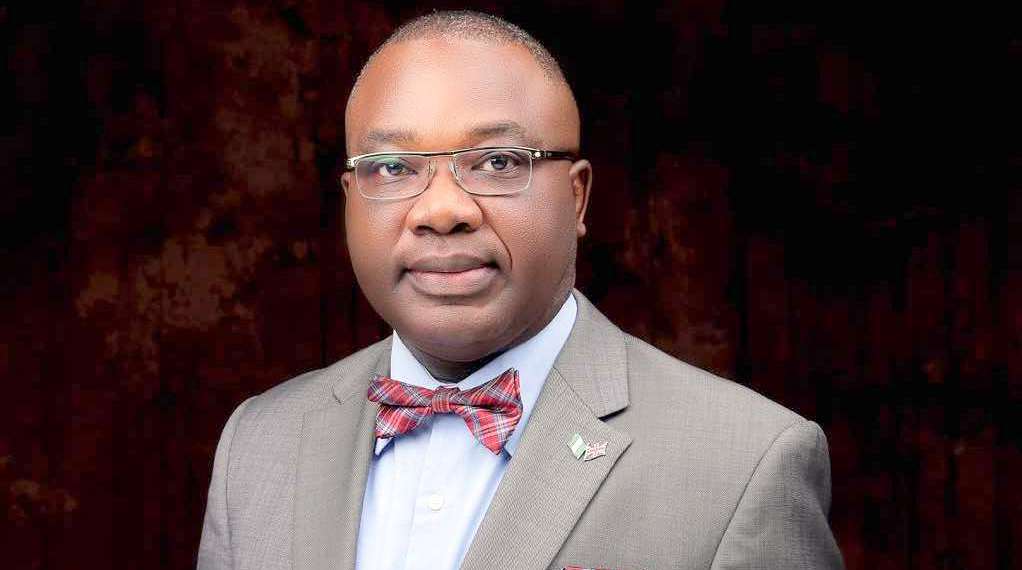
Ojukwu, who was represented by the Commission’s Director of Economic, Social and Cultural Rights, Isioma Nwosa, said people affected by drug dependence remained entitled to all fundamental rights guaranteed under Nigerian law and international human rights instruments.
“Persons affected by drug dependence do not lose their fundamental human rights. They must continue to enjoy their rights to dignity, health, privacy, equality, humane treatment and due process,” he said.
The declaration came against the backdrop of growing concerns over the treatment of people who use drugs in detention facilities and rehabilitation centres, as well as complaints bordering on denial of healthcare, stigma and other alleged rights violations.
Ojukwu disclosed that the Commission was already receiving complaints relating to denial of treatment, stigmatisation, breaches of confidentiality, lack of informed consent and poor conditions in rehabilitation centres.
He said complaints had also raised concerns about the treatment of people who use drugs while in detention.
The NHRC boss stressed that while the Commission was not responsible for setting Nigeria’s drug policy, it had a clear mandate to ensure that government policies and enforcement practices complied with the country’s human rights obligations.
He, therefore, called for greater integration of human rights safeguards into drug treatment, rehabilitation, and complaints-handling systems.
The workshop, holding at the United Nations House in Abuja from August 31 to September 1, is themed “Drug Dependence as a Public Health and Human Rights Issue: Integrating Harm Reduction and Human Rights-Based Approaches to Drug Dependence Treatment, Care and Complaints Handling.”
It is aimed at equipping NHRC officials with the knowledge and tools required to effectively investigate and respond to complaints involving drug use, treatment and rehabilitation.
The UNODC Country Representative, Mr Cheikh Toure, backed the Commission’s position, saying the complexities surrounding drug use required coordinated responses from government agencies, health institutions, human rights bodies, civil society and communities.
Toure, represented by UNODC’s Drug Demand Reduction Focal Point, Dr Akanidomo Ibanga, said drug dependence raised fundamental questions about human dignity, access to healthcare and protection from discrimination.
“Drug use and dependence raise fundamental issues relating to human dignity, access to healthcare, non-discrimination and the protection of vulnerable populations,” he said.
He urged stakeholders to strike an appropriate balance between public health, public safety and human rights, warning against approaches that ignore the health and social dimensions of drug dependence.
According to him, effective responses should be based on evidence and must provide affected persons with opportunities for treatment, recovery and reintegration into society.
The workshop is expected to examine evidence-based prevention, treatment and recovery models, mental health services and social reintegration.
It will also focus on the particular needs of women, young people and other vulnerable groups, who often face greater stigma and barriers to accessing appropriate care.
Toure urged NHRC officials to apply the knowledge acquired during the training to strengthen institutional practices and improve safeguards for people affected by drug use.
He reaffirmed UNODC’s commitment to supporting Nigeria in adopting approaches that place healthcare and human rights alongside public safety in addressing drug dependence.
Ojukwu also called attention to the influence of the media in shaping public attitudes towards drug use, urging journalists to avoid stigmatising narratives and promote informed public understanding of drug dependence, treatment and recovery.
He said responsible reporting could help reduce discrimination and encourage affected persons to seek assistance.
The Commission’s position represents a significant emphasis on the principle that drug dependence is a condition requiring appropriate intervention, not a justification for degrading treatment or denial of fundamental rights.
The NHRC said its collaboration with UNODC and EVA would strengthen its ability to ensure that persons seeking treatment or caught in the cycle of drug dependence encounter care rather than cruelty, and protection rather than rejection.