Olu Of Warri Debunks Dokubo’s ₦2.7trn Pipeline Claim, Questions Sudden Defence Of Tompolo
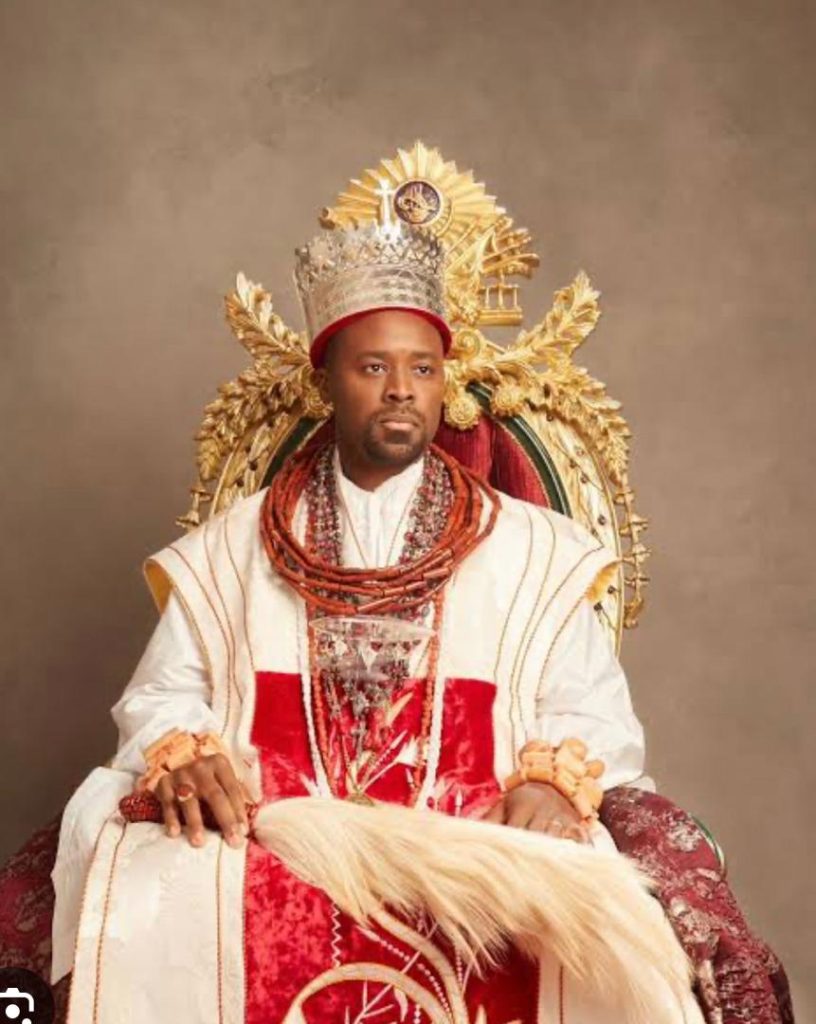
WARRI, NIGERIA — The Olu of Warri, Ogiame Atuwatse III, has strongly denied allegations made by Niger Delta activist Alhaji Mujahid Asari Dokubo, who claimed that the Warri monarch receives a staggering ₦2.7 trillion annually from federal pipeline surveillance contracts.
Speaking through his sole representative to the Nigerian National Petroleum Company Limited (NNPC) and Joint Venture Partners, Prince Collins Oritsetimeyin Edema, the traditional ruler dismissed the multi-trillion naira figure as completely false and challenged Dokubo to provide verifiable documentary proof to support his claims.
A Sudden Shift in Rhetoric
The Palace expressed surprise at Dokubo’s sudden public turnaround, noting the irony in his passionate defence of Government Ekpemupolo (popularly known as Tompolo) and his pipeline security firm, Tantita Security Services Nigeria Limited. Dokubo had previously been one of the most vocal critics of Tompolo’s multibillion-naira security contracts, frequently accusing the federal government of favouring specific individuals over other regional stakeholders.
The Olu’s representative characterized Dokubo’s latest remarks as a continuation of “confrontational and provocative rhetoric” aimed at shifting public perception and creating unnecessary friction within the region.
Fears of Communal Tensions
Reacting to the development, the Niger Delta Coalition (NDC) also released a statement throwing its weight behind the Warri Kingdom. The coalition condemned Dokubo’s assertions, warning that spreading unverified and explosive financial figures could ignite ethnic rivalries and destabilize the fragile peace enjoyed by the Ijaw, Itsekiri, and Urhobo ethnic groups.
Security analysts in the Niger Delta believe Dokubo’s sudden realignment with Tompolo’s security framework may point to behind-the-scenes restructuring of oil-asset protection syndicates, though the Palace insists that transparent accountability—rather than media sensationalism—must guide discussions on regional security.