
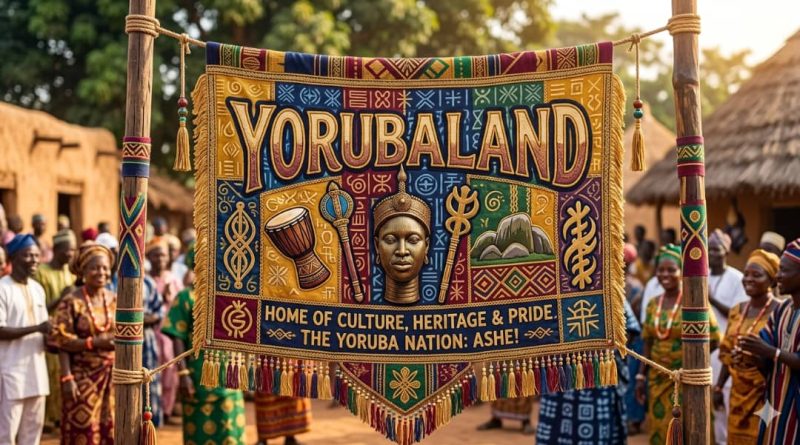
MY OBSERVATORY:Uncomfortable Truth
By Sola Fanawopo
To Keep the Legacy, Stop Selling the Land: The Case for a Leasehold Revolution in Yorubaland
Across Lagos and the wider South West, a quiet anxiety is spreading. As markets expand and real estate prices surge, ancestral family lands, the physical archives of our history, are being permanently transferred away from the lineages that inherited them. But the solution to this displacement is not lamentation; it is a strategic shift in how we transact.The Yoruba must move away from the culture of outright land sales and embrace long-term leasing as the primary model for economic engagement.
The Oniru Model: A Masterclass in Retention
Land, especially ancestral land, is not an ordinary commodity. It is where ancestors lived and where future generations should stand. Once sold, it is rarely recovered. Leasing, however, unlocks economic value while preserving ownership. We need only look at the Oniru family in Lagos to see this in practice.
By historically preferring long-term leasing over outright sales, they built a system of continuous, multi-generational income. While other families in Victoria Island or Lekki sold their holdings decades ago for a one-time windfall, the Oniru lineage ensured that every lease cycle renews the family’s financial strength. The land remains theirs; the wealth it generates stays with them.
Cultural Capital and the Igbo Parallel
There is a profound lesson in the land management systems of our neighbors. Among the Igbo, ancestral land is often governed by the Umunna (kindred system). Because they traditionally bury loved ones within their homesteads, the land is viewed as a sacred connection between the past and future.
While individual urban property may be sold, ancestral lineage land is protected with a caution that prevents the permanent liquidation of heritage. Historically, Yorubaland possessed similar communal controls, but the pressures of rapid urbanization and immediate cash needs have weakened these traditional safeguards.
The Economic Math: Capital vs. Liquidation
When a family sells land today to solve a ₦10 million problem, they are spending their capital. When they lease that same land, they are preserving it. Much of the land in global financial hubs like London operates under long-term leasehold structures rather than permanent sales. If it works for the world’s most sophisticated real estate markets, it should work for Lagos and Ibadan.
A Call to Reorientation
Traditional institutions, family heads, and community associations must lead a massive educational drive. We must teach the younger generation that:Land is Intergenerational Capital: It is not a disposable asset for quick cash. Leasing provides control: It allows families to set terms, earn steady income, and eventually reclaim the land or renegotiate.
Ownership is Identity: To lose the land is to lose the seat of the family’s history
The real choice facing Yorubaland today is not about real estate transactions. It is a choice between preserving a legacy or permanently liquidating it. If we want to stay relevant in the cities our fathers built, we must stop selling the ground beneath our feet.
©Sola Fanawopo