Baze University Appoints Abiodun Adeniyi As New Vice Chancellor
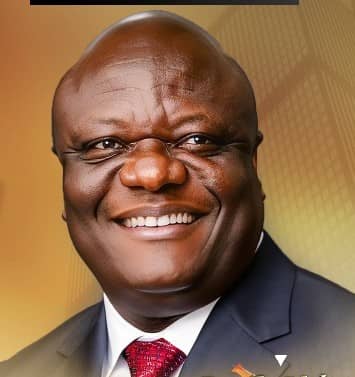
The Chairman of the Board of Trustees (BoT) and Founder of Baze University, Datti Baba-Ahmed, this week approved the appointment of a new Vice-Chancellor and Registrar for the University following a rigorous and competitive selection process. Accordingly, Professor Abiodun Adeniyi, has been appointed as Vice-Chancellor of Baze University, Abuja with effect from 6 May 2026. Adeniyi, a distinguished scholar of communication and media epistemology, steps into the role after serving as Registrar of the University.
Before this appointment, he had served as Dean of the School of Postgraduate Studies, having previously held the positions of Deputy Dean, University Orator, and for several years, Head of the Department of Mass Communication, roles through which he made significant contributions to the development of the University’s academic structure and postgraduate culture.
A scholar of international repute, Professor Adeniyi is a British Chevening Scholar and holds a Doctor of Philosophy (PhD) and a Master of Arts degree in International Communications from the University of Leeds, alongside a Bachelor of Science degree in Sociology (Second Class Upper Division) from Ahmadu Bello University and a Postgraduate Diploma in Journalism from the Nigeria’s International Institute of Journalism.
His academic formation reflects intellectual rigour, global exposure, and a longstanding dedication to the advancement of communication scholarship and democratic values through responsible media engagement and thought leadership.
Professor Adeniyi’s academic and professional career reflects a rare synthesis of theory and practice. Before transitioning fully into academia, he had a distinguished career in journalism, rising through the ranks from reporter to desk editor.
He covered politics and national affairs with notable depth and insight at The Guardian, Nigeria. This professional grounding continues to inform his scholarship, particularly in journalism studies, political communication, media ethics, and critical discourse analysis.
Credit: The Guardian