
FG Moves To Tackle Nigeria’s Sanitation Crisis, Targets Open Defecation, Gender Inequality
…Ministry puts improved toilets, faecal sludge management and private investment at centre of national campaign
By Bukar BOLORI
The Federal Government has stepped up efforts to tackle Nigeria’s sanitation crisis, calling for increased investment in toilet facilities, stronger enforcement of sanitation standards and coordinated action to end open defecation across the country.
The government said inadequate access to safe and functional toilets remained a major public health and environmental concern, with women, girls, children, older persons and persons living with disabilities bearing a disproportionate burden.
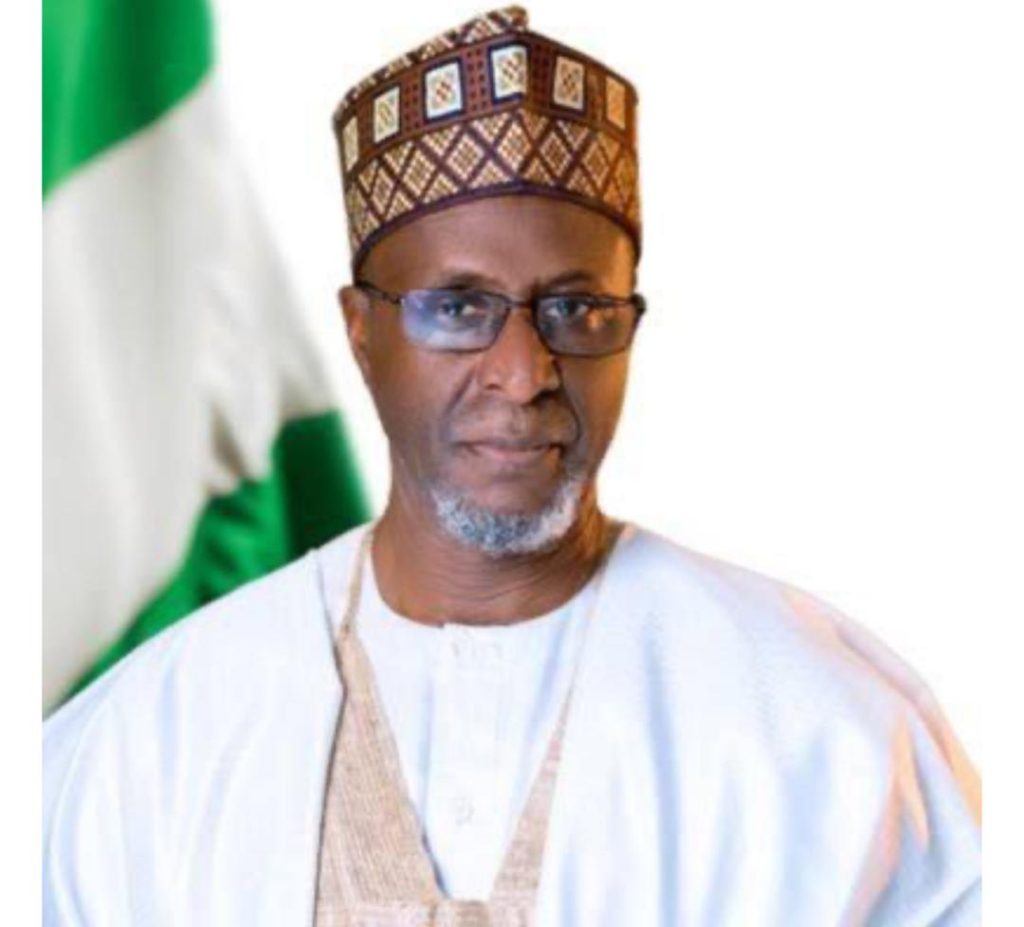
Minister of Environment, Mallam Balarabe Abbas Lawal, stated this on Tuesday during a ministerial briefing ahead of the 2026 World Toilet Day celebration, scheduled for November 19.
Represented by the Director of Pollution Control and Environmental Health, Mrs Omotunde Adeola, the minister said the Federal Government was intensifying efforts to improve sanitation infrastructure and promote practices that protect public health, the environment and human dignity.
Speaking on the theme, “Sanitation and Gender Equality,” with the tagline “Safe Toilets, Equal Futures,” Lawal said access to safe toilets, clean water and adequate menstrual hygiene facilities was essential to ensuring the health, safety and dignity of women and girls.
He disclosed that access to improved sanitation in Nigeria remained below 36 per cent, while many public places, including markets, motor parks, schools and communities, lacked adequate and functional toilet facilities.
According to him, the consequences extend beyond environmental pollution, as poor sanitation encourages open defecation, contaminates food and water sources and increases the risk of diseases such as cholera and typhoid.
The minister noted that the absence of safe, accessible and private toilets particularly exposed women and girls to health and safety risks, while limiting their ability to participate fully in education, work and other daily activities.
He said the Ministry was implementing programmes aimed at strengthening sanitation management and expanding access to environmentally sustainable facilities.
The initiatives include training Environmental Health Officers in faecal sludge management and appropriate toilet design, the Clean and Green Programme, community-based waste management and open defecation control initiatives.
Lawal added that the Ministry was also working with private organisations to promote the provision of environmentally friendly sanitation facilities, while encouraging investment in affordable sanitation technologies.
As part of efforts to improve the management of human waste, he announced that the Ministry would convene a National Dialogue on Faecal Sludge Management on November 23, 2026.
The dialogue, he said, would bring together seven selected states drawn from the six geopolitical zones and the Federal Capital Territory to share experiences, examine existing challenges and develop recommendations for improving faecal sludge management.
He urged state and local governments to strengthen their wastewater and faecal sludge management systems, stressing that the sanitation challenge required sustained action beyond federal government interventions.
The minister also called on the private sector to invest in affordable sanitation technologies and climate-resilient infrastructure, while urging development partners and non-governmental organisations to support public education and the provision of facilities, particularly in underserved communities.
He further appealed to households to embrace proper toilet use, regular handwashing, personal hygiene and environmental cleanliness, noting that individual responsibility was essential to sustaining improvements in sanitation.
Earlier, the Permanent Secretary of the Ministry, represented by the Deputy Director and Head of the Environmental Health and Sanitation Unit, Mrs Rita Okea, said World Toilet Day, established by the United Nations General Assembly in 2013, was observed annually on November 19 to draw attention to the global sanitation crisis.
Okea said inadequate sanitation disproportionately affected women and girls, particularly in schools, workplaces, public spaces and underserved communities where the absence of safe and private toilet facilities could undermine their health, dignity and participation in everyday activities.
She stressed that improving sanitation required sustained collaboration among the federal, state and local governments, development partners, the private sector, civil society organisations and communities.
According to her, the annual observance provides an opportunity to mobilise public support, strengthen awareness and renew commitments towards ensuring access to safe and inclusive sanitation facilities.
She said the Ministry was undertaking community sensitisation campaigns, advocacy programmes and sanitary inspections of public places across the country as part of activities marking the 2026 celebration.
The Federal Government is expected to hold the national World Toilet Day celebration on November 19 at Kpadna Community in Abuja, with simultaneous activities planned across states of the federation.
The government’s renewed sanitation campaign comes amid persistent concerns over open defecation, inadequate public toilet infrastructure and the environmental and health consequences of poor human waste management.
While expanding access to toilets remains central to addressing the crisis, effective waste collection, treatment and disposal are equally important to preventing contamination and protecting communities.
The Ministry called on Nigerians to take collective responsibility for ending open defecation and improving environmental hygiene, insisting that access to safe, inclusive and dignified toilet facilities must be treated as a public health and development priority.