NHRC Warns Of School Rights Abuses, Tasks Teachers On Early Detection
By Bukar BOLORI
The National Human Rights Commission (NHRC) has urged teachers and guidance counsellors to take a more active role in detecting and addressing rights violations in schools, identifying bullying, discrimination, violence, abuse and online harm as threats that require early intervention to protect children.
The commission said schools must become safe spaces where pupils can report violations without fear, participate freely in learning and school activities, and understand that their rights and dignity must be respected.
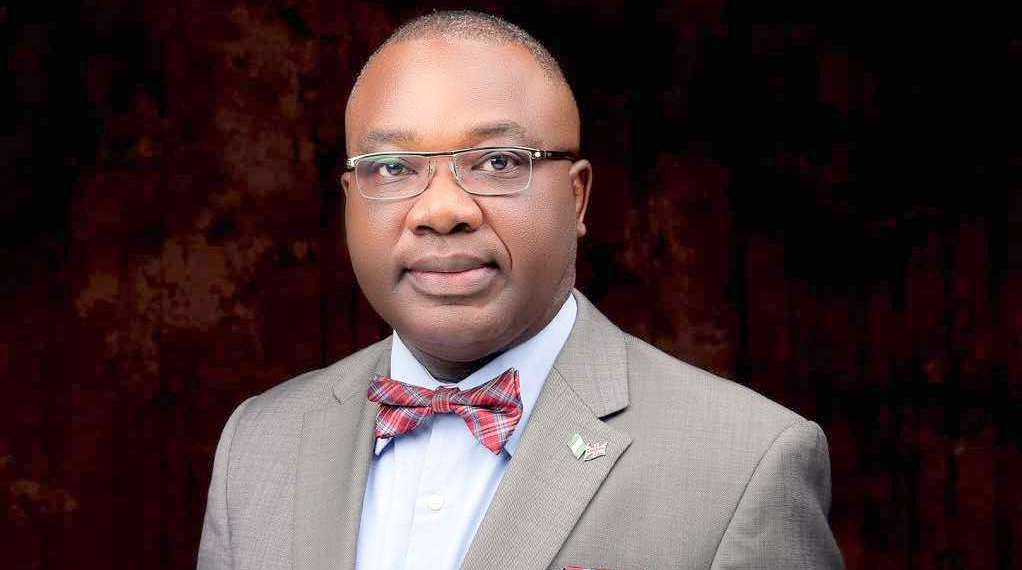
The Director of Legal Services and Enforcement of the NHRC, Mrs. Rabi Anwar, gave the charge at a human rights capacity-building workshop for Civic Education and Guidance and Counselling teachers in the Federal Capital Territory, Abuja, where she represented the Executive Secretary of the commission, Chief Tony Ojukwu, SAN.
Anwar said teachers were strategically positioned to influence children’s understanding of justice, equality, tolerance and respect for others, warning implicitly against an approach to education that prioritises academic performance without adequately addressing the protection and dignity of pupils.
She urged participants to translate the knowledge acquired at the workshop into practical measures that would prevent discrimination and violence, strengthen students’ confidence to speak out and promote peaceful coexistence within school communities.
The commission said the training was designed to equip teachers with the knowledge and skills to incorporate human rights principles into classroom instruction, counselling, school management and other school activities.
Anwar stressed that building a rights-respecting school environment required collective responsibility, calling for closer collaboration among teachers, school administrators, government institutions, parents, civil society organisations and other stakeholders.
A major focus of the workshop was the responsibility of guidance counsellors to identify warning signs of rights violations and ensure that affected pupils receive appropriate support.
A guidance counsellor, Mrs. Henrietta Okechukwu, told participants that counsellors had a critical role in preventing and identifying violations early, responding appropriately to complaints and referring cases requiring specialised intervention.
She identified bullying, discrimination, violence, abuse, online harm and mental health distress as issues requiring attention from school support systems.
Okechukwu urged counsellors to apply child-protection and education principles when handling students’ complaints, emphasising the need to ensure that children’s rights remained central to decisions affecting their safety and well-being.
Her presentation highlighted the importance of moving beyond the routine handling of academic and behavioural concerns to recognising circumstances in which a child’s welfare, dignity or safety might be at risk.
The workshop also examined how teachers could help prevent rights violations by encouraging pupils to understand their entitlements, respect the rights of others and participate in decisions affecting their school experience.
A human rights education expert, Mrs. Ifeoma Nwakanma, urged Civic Education teachers to establish classrooms where students could freely express their opinions, participate in school activities and learn about their rights and responsibilities without fear or discrimination.
She encouraged schools to promote student councils and peer education programmes as practical platforms for developing active participation and helping pupils understand democratic values and civic responsibility.
Nwakanma said students should be given opportunities to contribute meaningfully to school life, stressing that a learning environment built on respect and inclusion would help children develop the confidence to engage constructively with others.
Another human rights education expert, Mr. Saka Azimazi, examined the historical foundations and fundamental principles of human rights, tracing their development from ancient legal codes and the Magna Carta to Enlightenment philosophy, the American and French declarations, and the 1948 Universal Declaration of Human Rights.
He also explored the relationship between human rights, religion, morality and culture, including the debate over universal human rights principles and cultural relativism.
The discussions provided a framework for helping teachers explain human rights not merely as abstract legal concepts, but as principles relevant to the treatment of children, the resolution of conflicts and the protection of human dignity in everyday school life.
The commission’s intervention places teachers and counsellors at the centre of efforts to prevent abuse and promote accountability in schools, where early recognition of warning signs and appropriate responses can be critical to protecting vulnerable pupils.
By urging educators to combine human rights instruction with practical safeguards, the NHRC said the goal was to create learning environments in which children understand their rights, respect those of others and can seek help when violations occur.
The workshop also underscored that human rights education must extend beyond lessons in Civic Education to influence classroom conduct, counselling practices and the wider culture of schools.
For the commission, the challenge is to ensure that the principles taught to pupils are reflected in how they are treated, heard and protected within the education system.